Tiny Experiments, Exploration, Gentle Habits: A Kinder Way Forward
Going back to basics
This is a long read!
After my first ever Affordable Art Fair, I have been using the Christmas break to think about what’s next for me. Many questions floated around in my mind: Should I continue with the moss series? Should I make more of the same, or revisit earlier works? It felt like I was in a rut — perhaps even overthinking.
So I took time to reflect on my entire practice from when I first started, and three things stood out:
1. The textile artworks I most enjoyed making were born out of experimentation, never forced, but the result of gradual, curious experimentation:
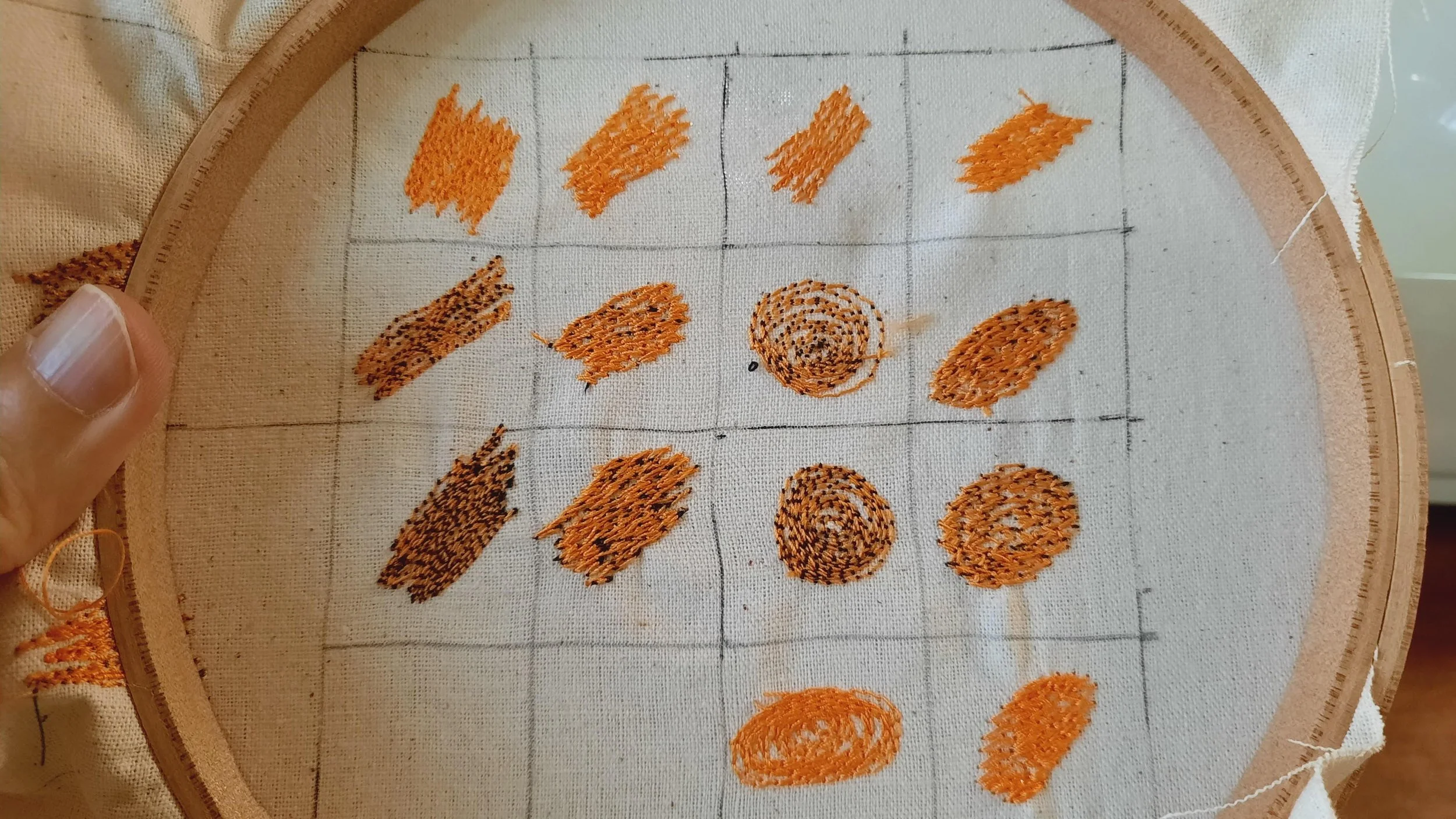
slow stitch experiments that evolved into the moss-like forms
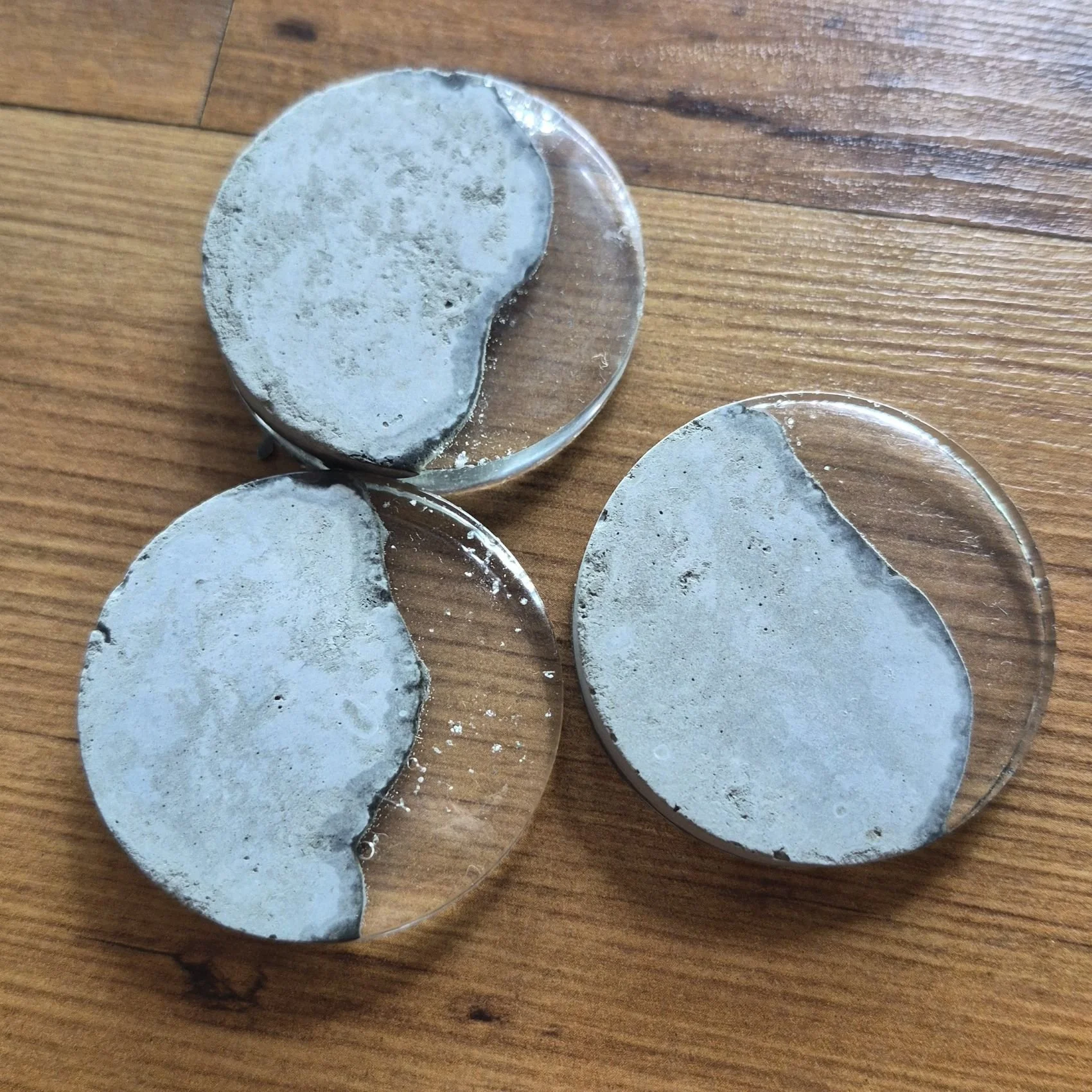
combining unexpected materials, including concrete and textile
experimenting with various forms to create 3D soft sculptures resulting in my coral works
2. Each new direction began with a question that led to observation and experimentation
3. The journey from experiment to finished artwork often took time, sometimes one to three years, according to my notes
I also found myself asking: am I feeling pressured to make art in order to sell? And how does that pressure shape my process? Can I find a way to decouple the act of making from the expectation to regularly produce?
For me a creative practice is not just about producing work, it’s about rhythm, patience, and listening to the body. But when my health issues (cue, perimenopause) enter the picture, familiar routines can suddenly feel fragile. Energy dips, focus becomes elusive, and the habits that once sustained a practice can feel impossible to maintain.
Permission to Adapt
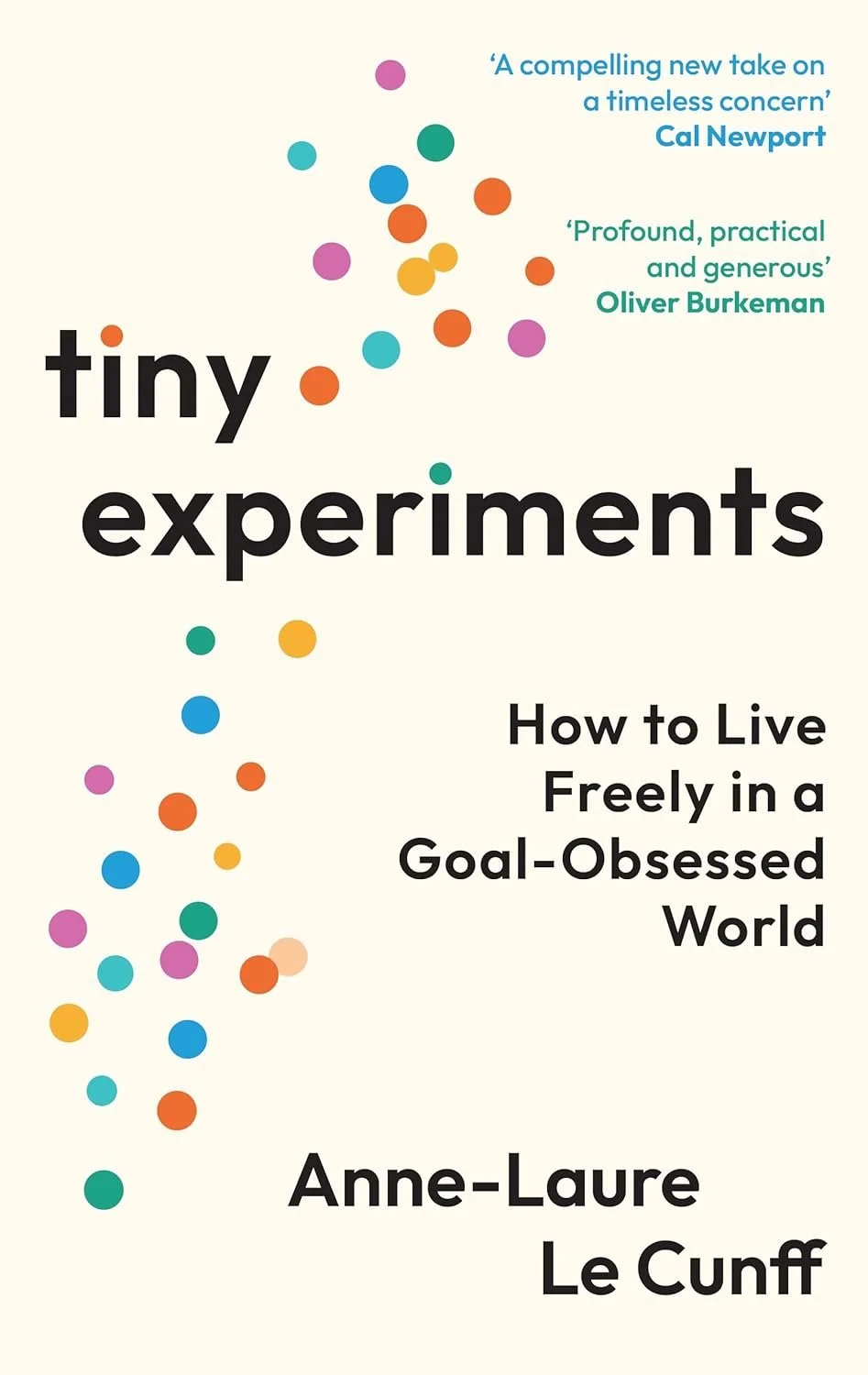
Recently, I read Tiny Experiments by Anne-Laure Le Cunff, and it resonated deeply with my journey as an artist. And after reading James Clear’s Atomic Habits 2 years ago, I feel both books offer a great framework for creatives who are struggling to show up consistently without burning out. While Atomic Habits has helped me build systems in response to issues holding me back as as an artist, Tiny Experiments cultivates an experimental and reflective mindset rather than rigid plans. Basically, we are giving ourselves permission to adapt systems to our situation ie curiosity over perfection, and iterating based on feedback from our actions. This is the complete opposite of today’s goal-obsessed culture. Does this resonate with you?
Traditional Productivity Advice Fails
Over the past few years, I have experienced quite a number of symptoms, ranging from:
Brain fog and difficulty concentrating
Fluctuating energy levels
Emotional overwhelm
Reduced tolerance for pressure
A sense of grief over “how things used to be”
I tried to force a rigid routine, the ones that used to work for me but now don’t! And, unfortunately, this created more resistance, guilt, and procrastination.
What Are Tiny Experiments?
“A tiny experiment is not a goal.
It’s not a commitment.
It’s a low-stakes question.”
Instead of saying:
“I must stitch for an hour every day.”
I reframe it to:
“What happens if I stitch for five minutes, three times this week?”
I love how this focus shifts from success or failure to curiosity and observation, which is an approach that feels particularly natural for textile artists as we already work through sampling, testing, unpicking, and reworking. In fact, it reminds me of how a scientists works!
The +/- Method: A Tool Textile Artists Can Actually Use
One of the most helpful ideas in Tiny Experiments is the + / – / next reflection. It’s definitely not revolutionary, yet many times, we just plow through difficulties without taking a step back to reflect on our approaches.
At end of the day, you ask yourself:
What felt positive (+)? Things that made you proud or helped you
What felt draining or difficult (–)? Challenges, obstacles, misunderstandings, incomplete tasks, mistakes
The outcome is information that will help inform your next step; there is no judgement.
Here are some that I have noted down in my journal:
(+) Stitching in the morning makes me feel calmer and less anxious
(-) Working under artificial light increased eye strain
(-) Working on commissions with tight timelines adds pressure and makes me feel anxious
(next) Set aside more time in the morning for studio work, and wake up earlier.
This is still a work in progress for me, and I anticipate that over time, I can develop a personal map of what supports my creative flow, especially useful when hormones make day-to-day experiences unpredictable.
PS, this approach needs to apply to all areas of our lives, not just the art, as they all overlap!
Head, Heart, and Logic: Gently Addressing Procrastination
According to Tiny Experiments, procrastination is often misunderstood, and it’s often identified as being lazy or a problem. Le Cunff’s scientific research, on the other hand, shows that it is usually because of overwhelm, fatigue, or emotional friction. With the ever-changing world and amount of information we receive on a daily basis, we can fall into the analysis paralysis.
Tiny Experiments introduces a helpful triad to help us understand why we might be procrastinating:
Head – What am I thinking?
Heart – What am I feeling?
Logic – What is the smallest next step?
For me it has looked like this recently:
Head: “I should be more productive.”
Heart: “I feel tired and discouraged.”
Logic: “I will experiment on a 10 x 10cm square fabric sample.”
Often, threading the needle is enough to begin. And if it isn’t, that’s information too, not failure, but rather a cue to adjust my expectations or approach, not a sign of failure.
How Tiny Experiments Support a Sustainable Textile Practice
Textile work is a slow, tactile and intentional art practice, and after reading the book, Tiny Experiments align with this rhythm:
Reducing pressure to “perform”
Supporting irregular energy levels
Encouraging self-trust
Allowing practices to evolve with the body
Making space for rest without guilt
This approach is especially valuable for artists navigating health issues, where the body is asking (sometimes loudly) for different pacing.
From Fixed Habits to Living Practices
James Clear’s Atomic Habits teaches us that small actions compound over time; this has been very helpful to my practice thus far. Tiny Experiments reminds us that those actions don’t need to stay the same forever and we need to listen to our bodies.
Together, they offer a powerful message for artists:
You are allowed to change how you work — and still call it a practice.
For textile artists, this might mean:
Shorter stitching sessions
Switching between hand and machine work
Letting seasons (both literal and hormonal) guide output; remember nature has its own seasons of growth and rest!
Treating pauses as part of the process, not interruptions
A Gentle Invitation & Reminder
If your textile practice feels fragile right now, consider this:
You don’t need a new routine.
Just give yourself permission to experiment.
Start small. Stay curious. Let your work (and your body) teach you what comes next.