Tips for Creating Textile Art Inspired by the Natural World
Drawing Inspiration from Nature
Art is born of the observation and investigation of nature. –Marcus Tullius Cicero
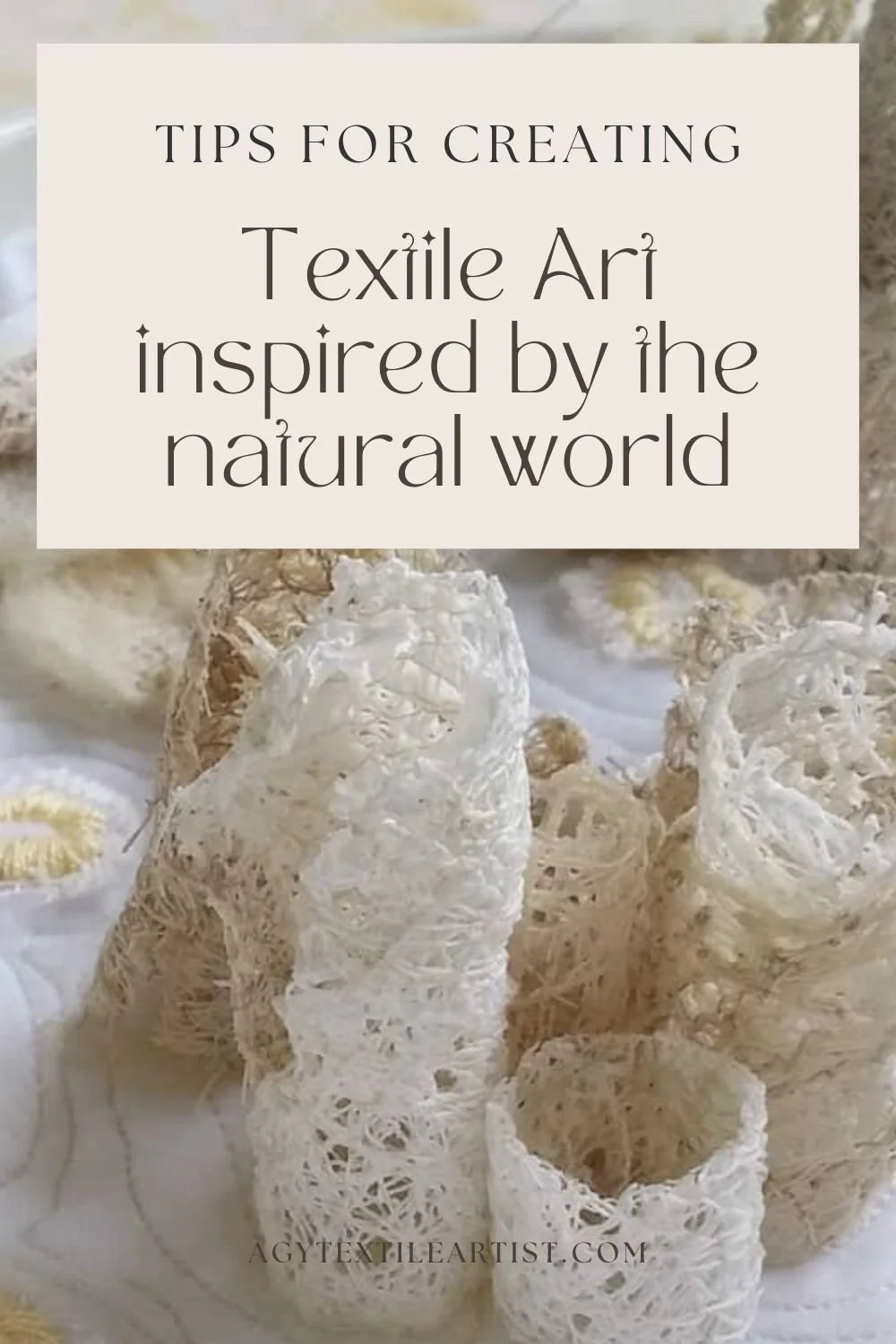
Nature has long been a source of inspiration for me. From the intricate patterns and textures of the barks of trees to the vibrant hues of the coral reefs, as a textile artist, I’ve found that there is no shortage of inspiration to be found in the natural world; you just have to slow down, look and observe!
Currently, I have about 2 months left to prepare for my solo textile art exhibition, and the work draws upon the corals and their struggles in the present natural environment. I have decided on creating 3 areas of work that illustrate this:
Bleached;
Fragility; and
Death
There has been a lot of preparation work going on, and I have been using the following mantra to get my art going for this series of work:
Step into nature and observe
Take photos and make sketches
Incorporating nature
Experiment with different techniques
Don’t be afraid to get creative
#1 Step into nature & observe
The first step to incorporating nature into your textile art is to spend time outside observing the natural world. Observing doesn’t mean just looking, but taking the time to note the textures, lines, and colours of what you see around you. Look at the way the leaves on a tree overlap and the way the veins run through them. You don’t have to go far; it could be in a nearby park, in your neighbourhood garden, or even your own backyard. Observe the way the petals on a flower curl and twist, and take note of the subtle variations in colour. You might even find the shadows that the trees cast on the pavement interesting too.
I was drawn to the beauty of the diverse ecosystem I found on Pulau Merambong when I visited it in 2018. There were corals, seagrass and even mangroves on such a small island.
#2 Take photos and make sketches
I think we are very lucky to have digital cameras on our phones - it gives us the liberty to take as many as we want! Don't worry about getting the perfect shot – the purpose is simply to capture the essence of what you see. You can also make sketches of the things you observe, either in a notebook or on a tablet or smartphone. These sketches can be rough and quick – the point is to capture the basic shapes and lines that you see. And if you live near the location of where you made these sketches / snapshots, you can always come back to it the next day.
Remember to make notes too so you remember when the sketches were made. I like to include how I felt during the sketching, the surroundings and what the weather was like. I sometimes find that I like to reference the sketches with the photos I took, and the notes provide some context.
When I was visiting the Keppel Bay area in Singapore, I found it very difficult to take clear pictures of the corals. And so I resorted to doing some research online and in our local library. I turned to local scientific websites and texts for more information.
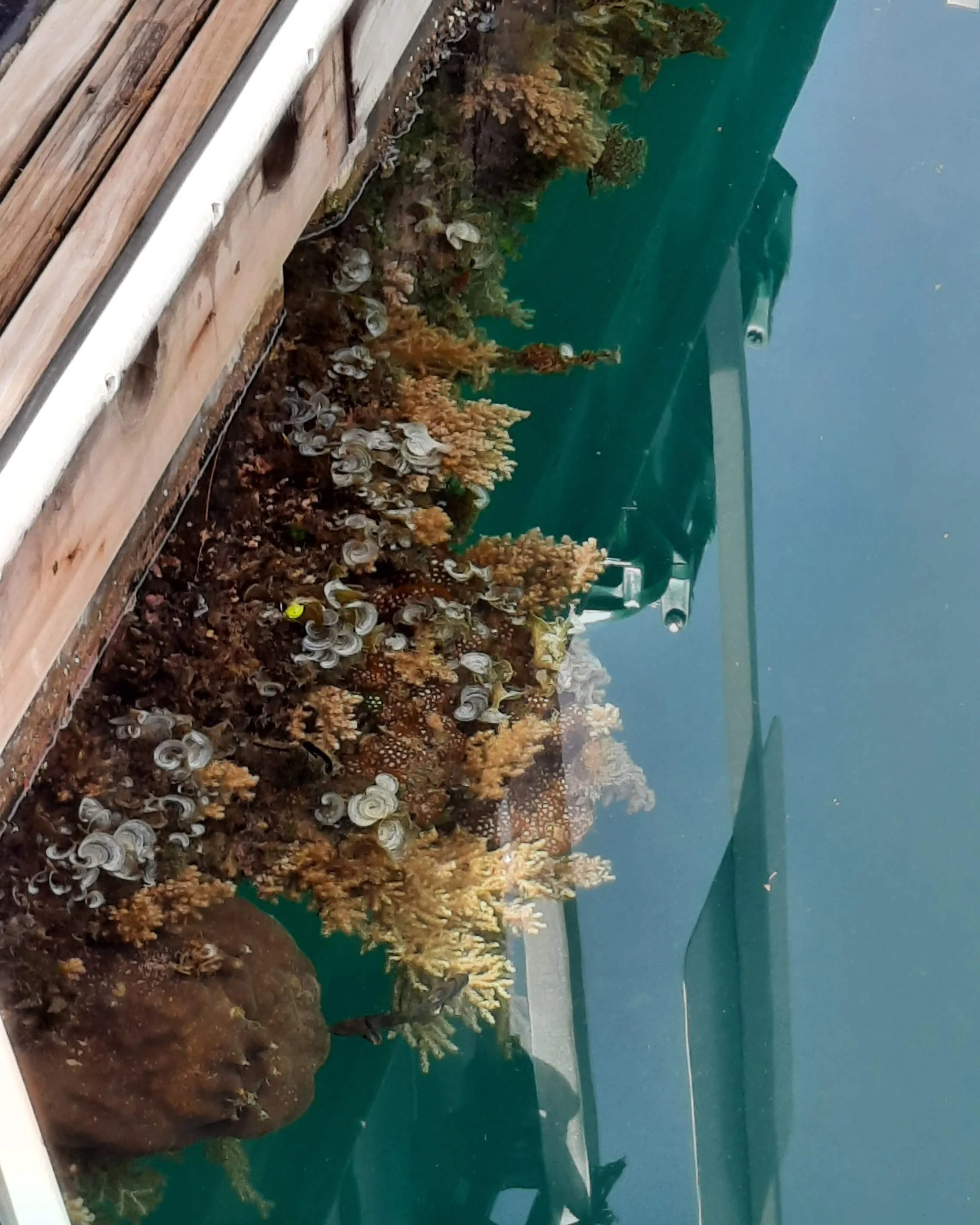
Corals at Keppel Bay, Singapore
#3 Incorporating nature
When you are ready to start creating your textile art, use the nature-inspired photos and sketches you have collected as a starting point. Consider the colors, lines, and textures you observed and think about how you can incorporate them into your work. For example, you might use the lines of a leaf or flower petal to create a repeating pattern on a piece of fabric. Or you might use the colors of a sunset as inspiration for a color scheme for your piece. What is important is that the features that you select tie in with the theme that you have for your series of textile art works.
I was particularly interested in the shapes, lines and colours of the corals, and was drawn to the mushroom coral, cave coral, anemone coral and disc corals, all of which can be found in Singapore. This gave me a start and I made sketches from there.
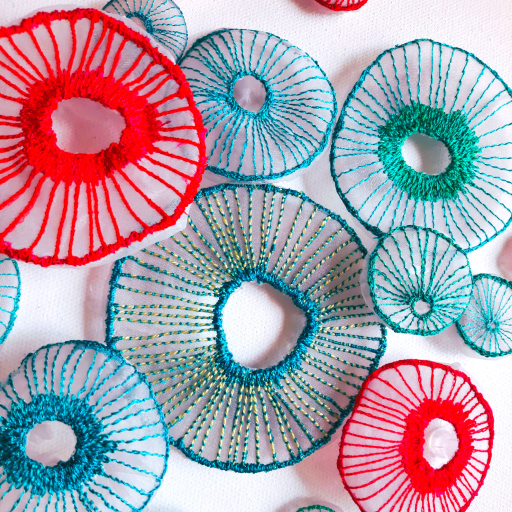
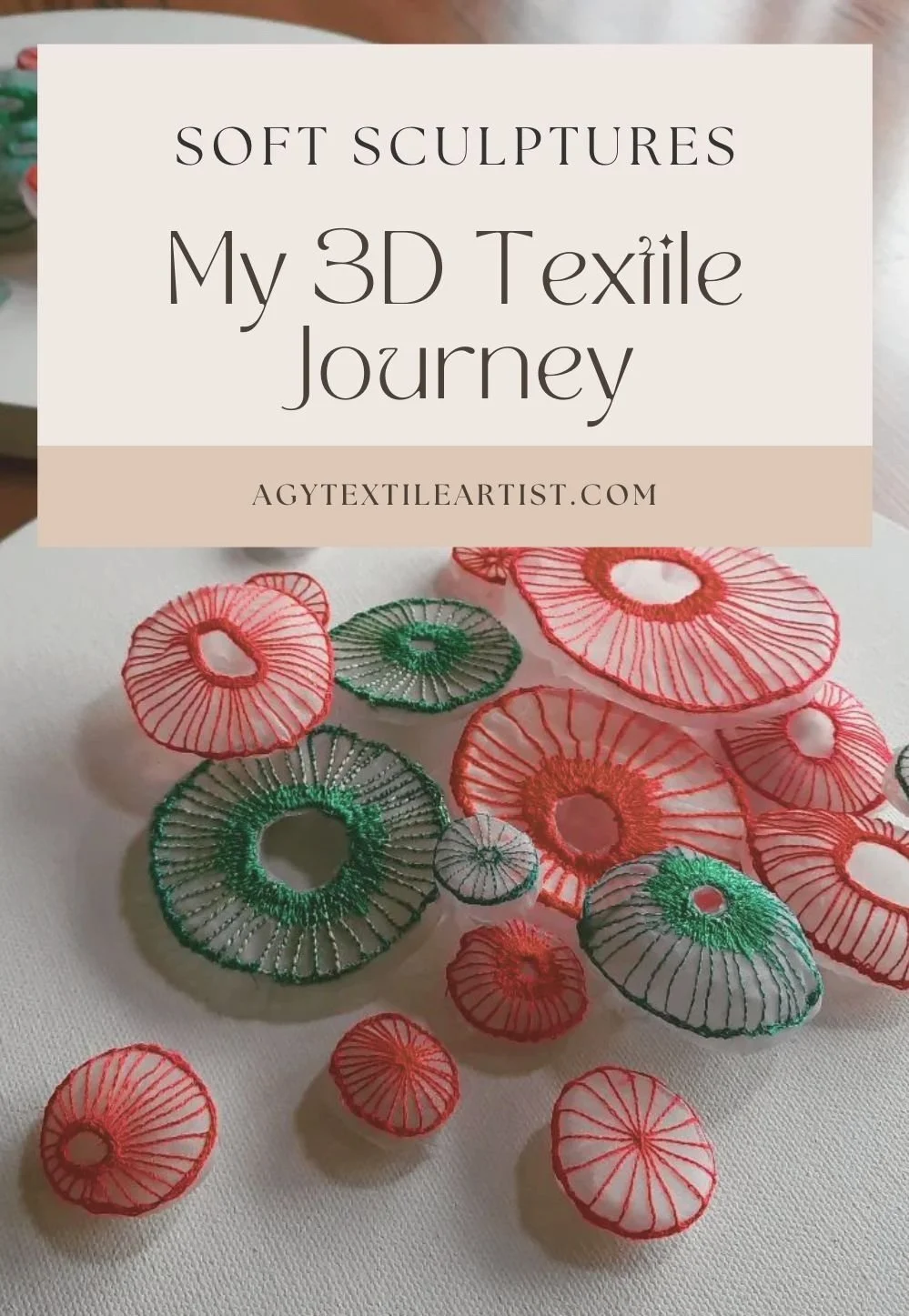
Coral sculptures inspired by the mushroom coral
#4 Experiment with different techniques
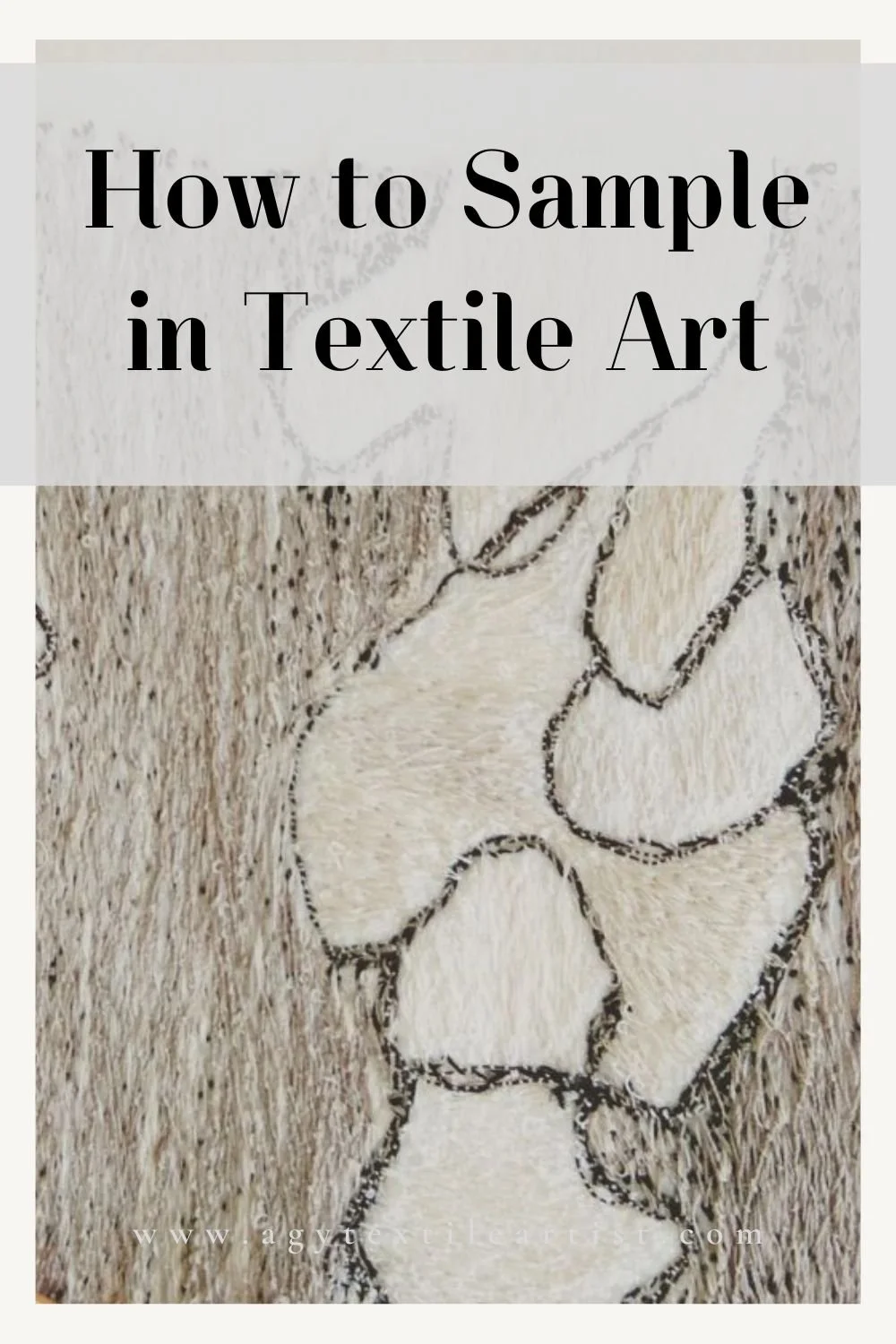
Once I had an idea of which direction my textile art was going, it was time to get into the studio and start making samples . There are many different techniques you can use to create textile art, and it's important to experiment with different methods to find what works best for you. For example, I use the fine lines created by free motion embroidery to create the lines of the mushroom coral, but I also wanted to use delicate fabrics to showcase the fragility of the corals. I ended up using organza.
Be open to trying new things and don't be afraid to make mistakes – often, the best ideas come from experimenting and pushing the boundaries of what is possible. I share about the importance of sampling in textile art here.
I’m currently very invested in the use of Broderie Anglaise as a technique in creating my coral sculptures. Do you think it looks good so far? I’ve tried 2 techniques so far, and couldn’t really decide on which one would be best for the series. I’ll let you know once it’s done!


#5 Don’t be afraid to get creative
Creating textile art inspired by nature is all about getting creative and letting your imagination run wild. One of the most important things, I have learnt throughout my textile art journey is not to be afraid of taking risks, and to try new things. So this time around, I have decided to take what I have learnt by experimenting with creating concrete pebbles for the past year or so, and incorporate them with the coral structures I have created. Through my coral research, I’ve learnt that when corals die, they turn a greyish black. I thought it would be good to depict that in my exhibition.
It’s important to realise that artwork can’t be rushed. Sometimes, we could spend hours in nature, and not be able to get inspiration out of it. The key is to be patient and to have a methodology about creating your work. Whether you are creating a piece inspired by the colors of a sunset or the textures of a tree bark, let your creativity guide you and see where it takes you.