
Moss and Textile Art Journey Continued
My journey with the moss creations is continuing. The initial creations were inspired by the petrichor left by the rain, and then were gradually influenced by moss and its linkage between decay and renewal.
Moss are a “living testament to endurance and renewal, quietly thriving in the harshest conditions.” Gathering Moss by Robin Wall Kimmerer
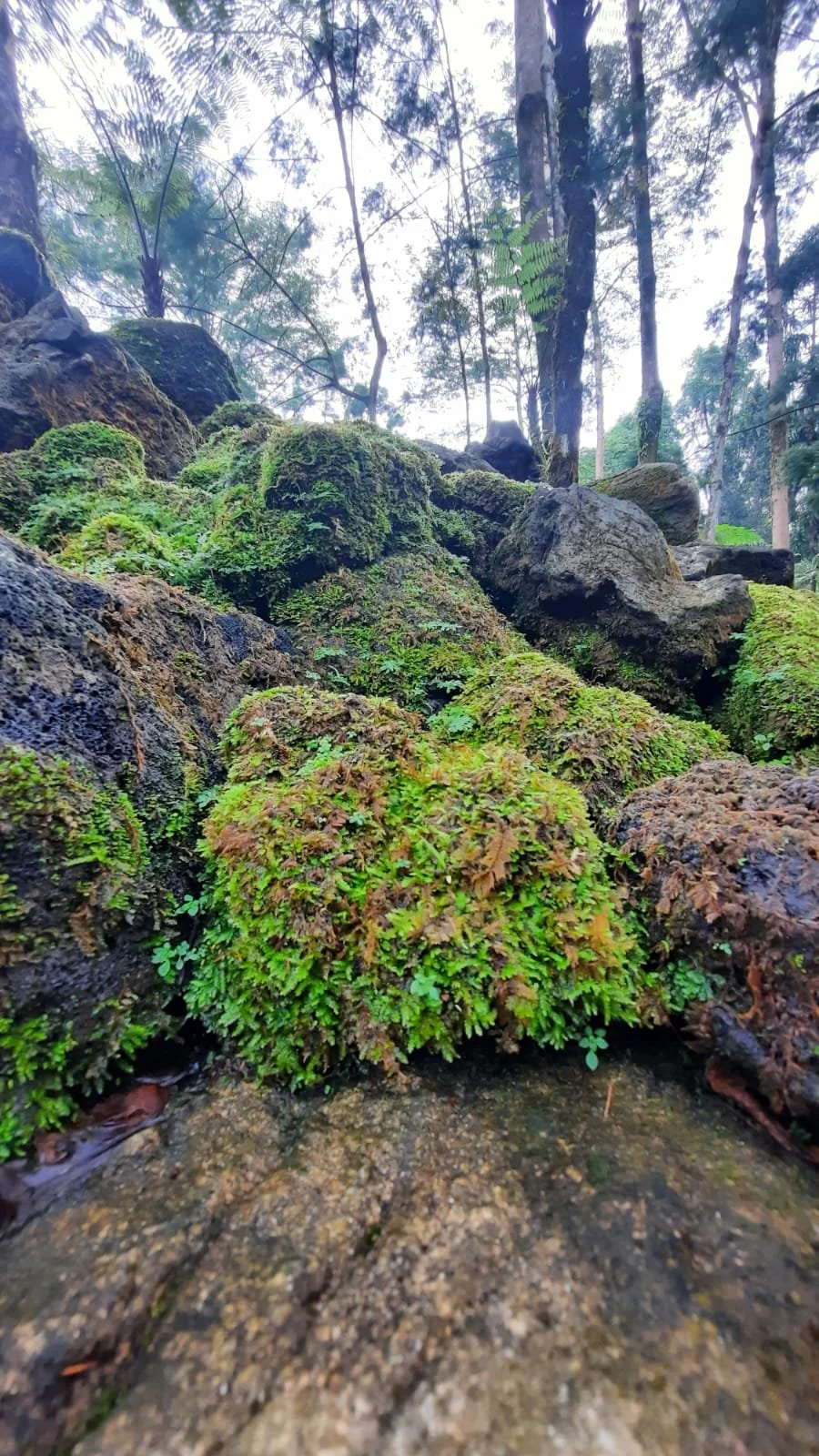
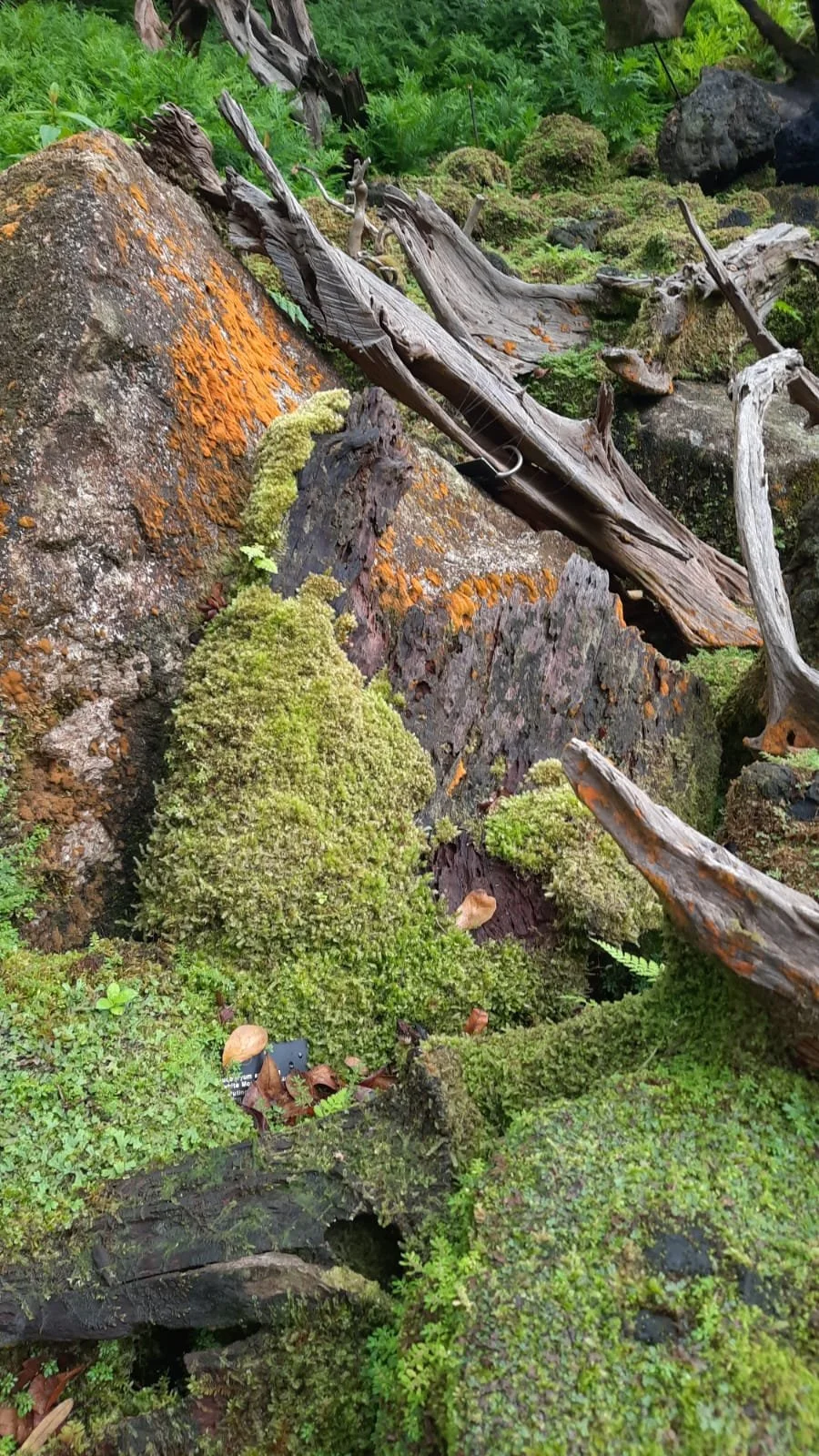
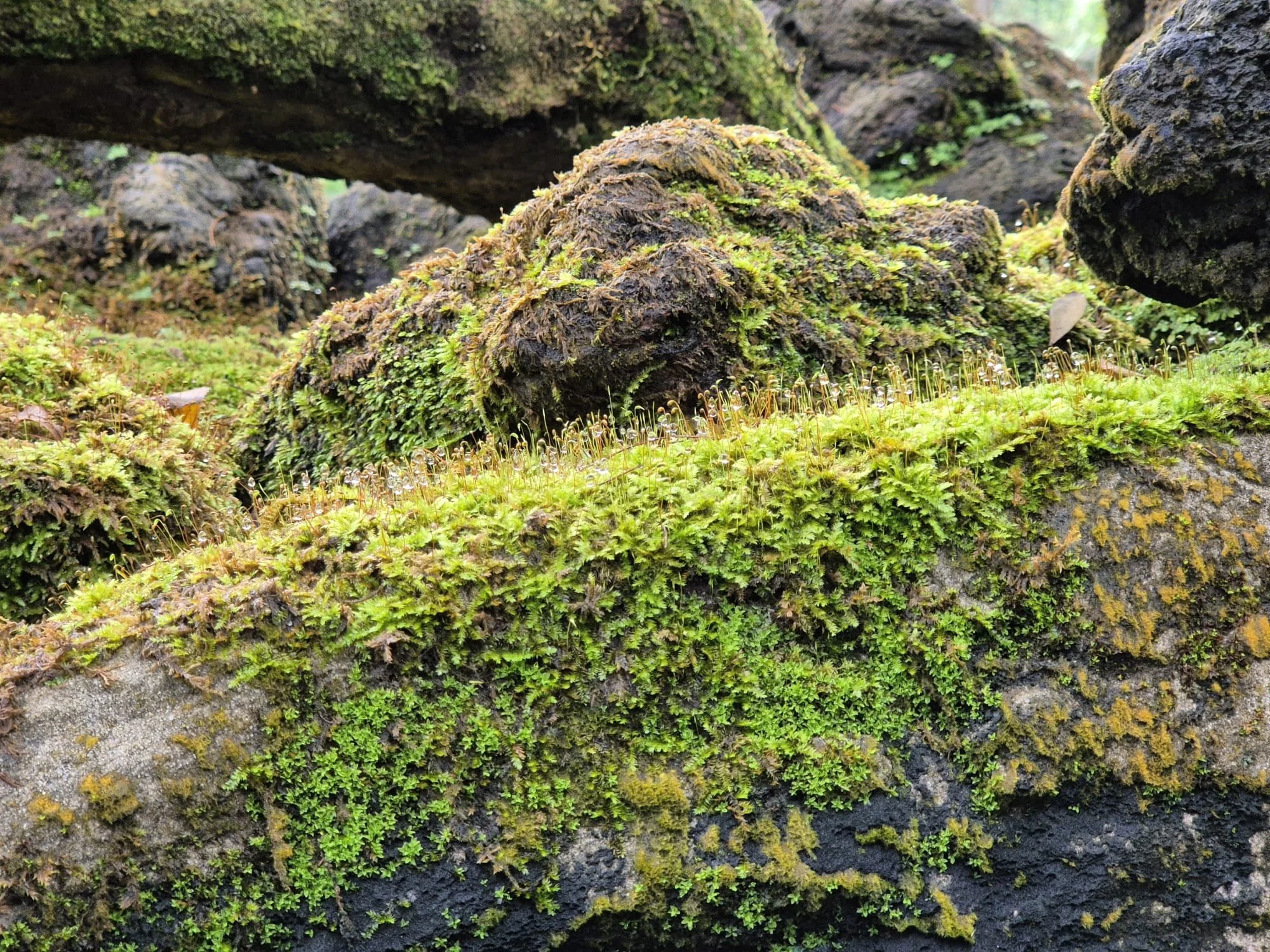
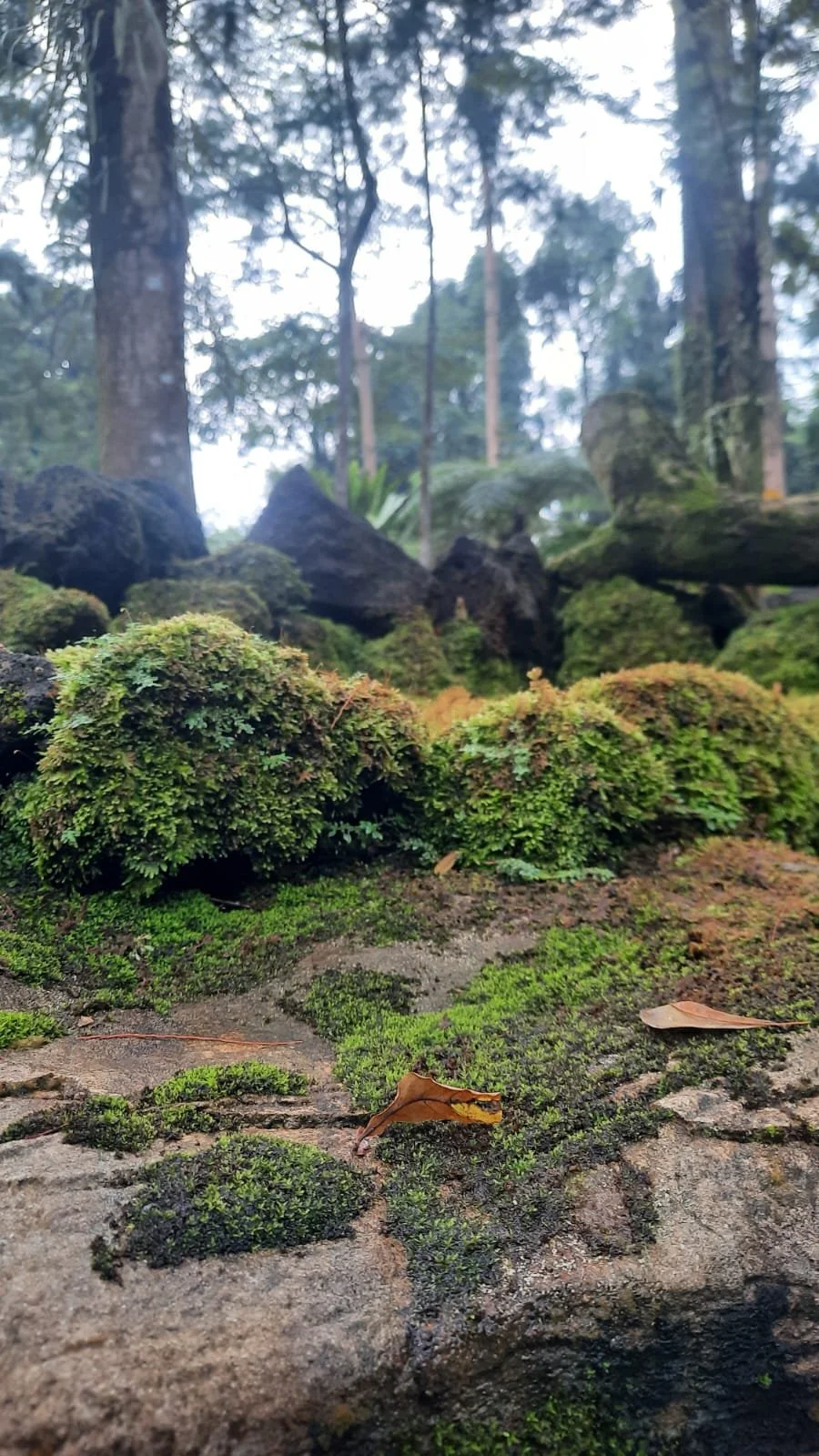
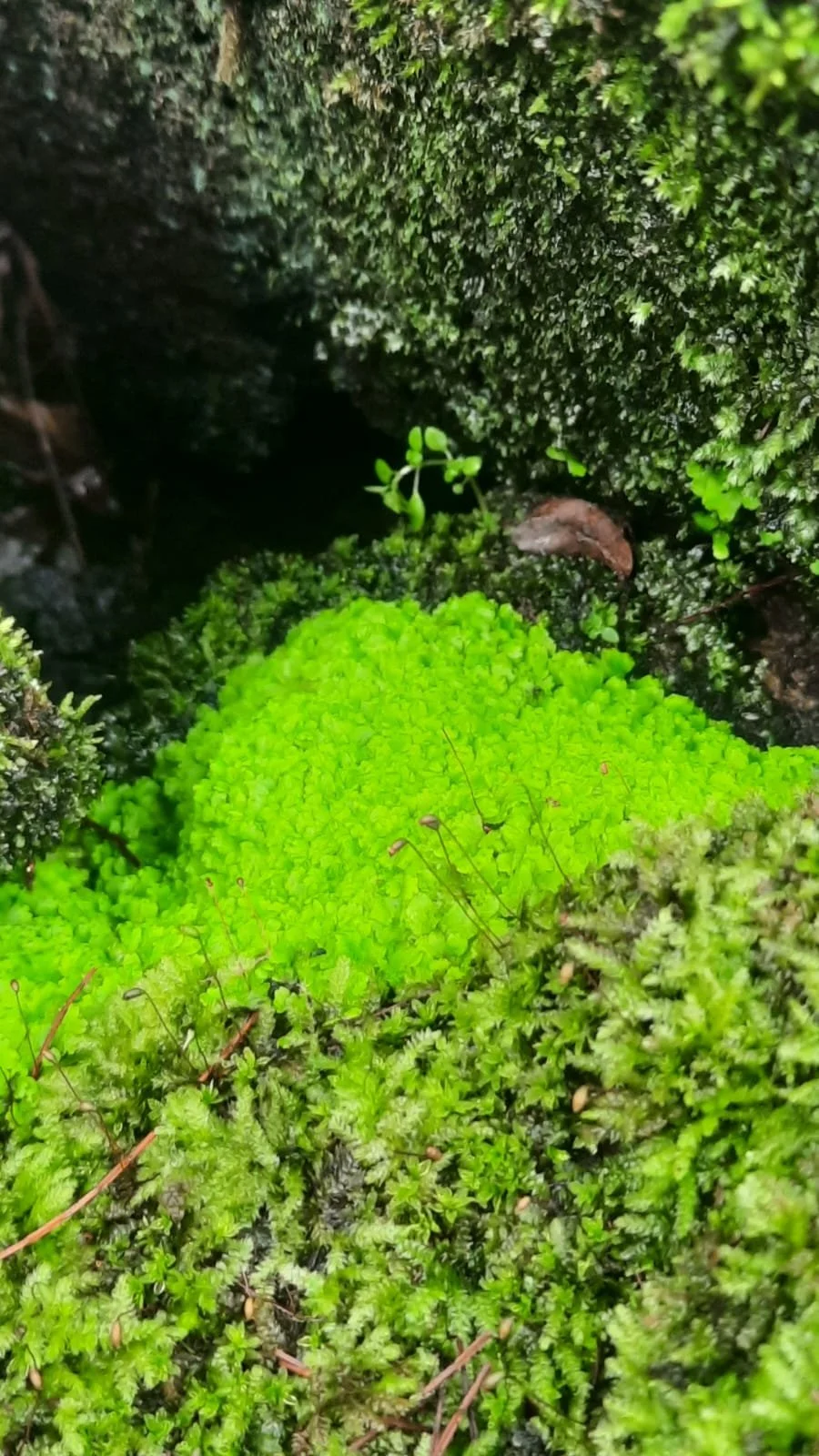
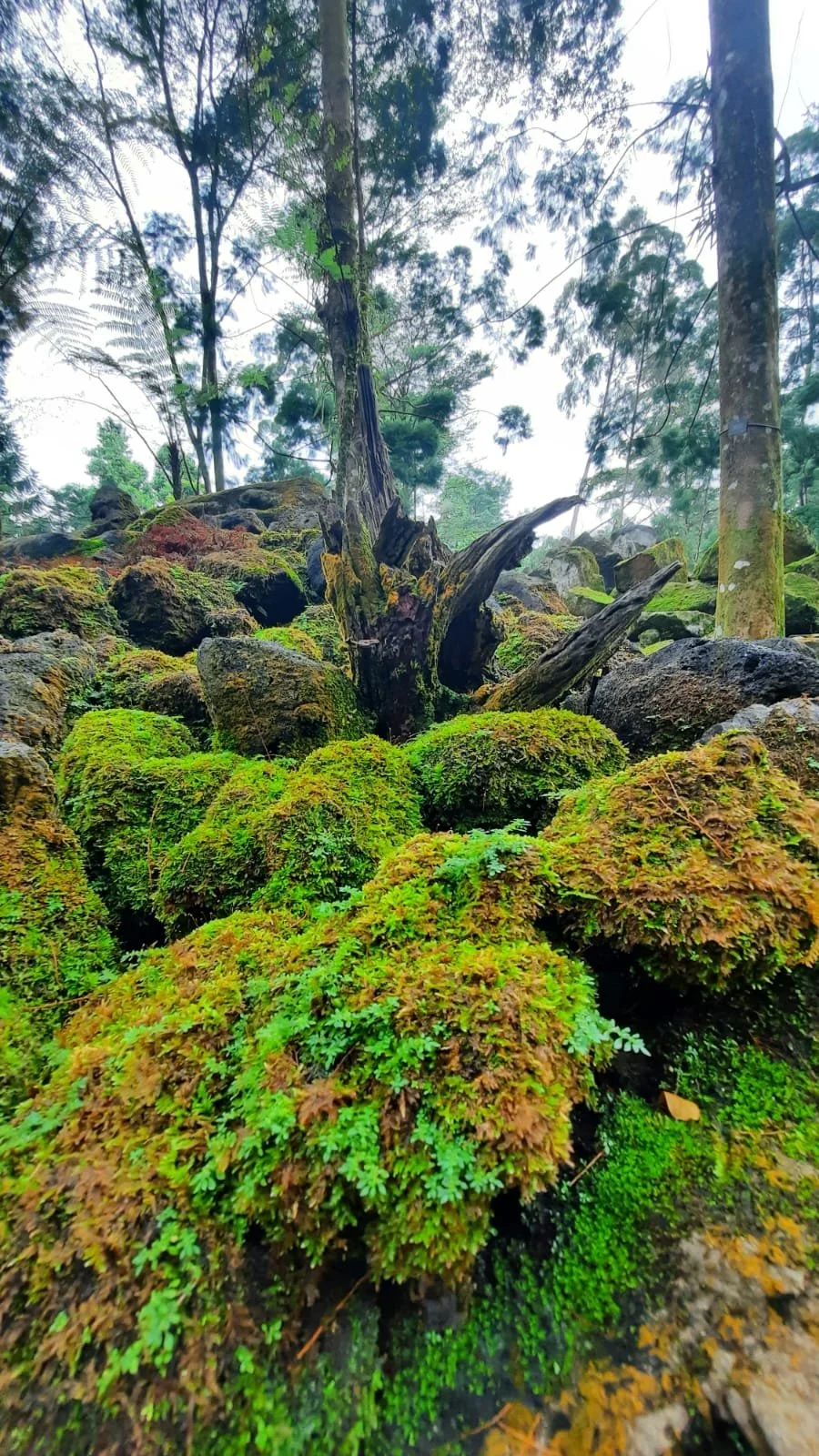
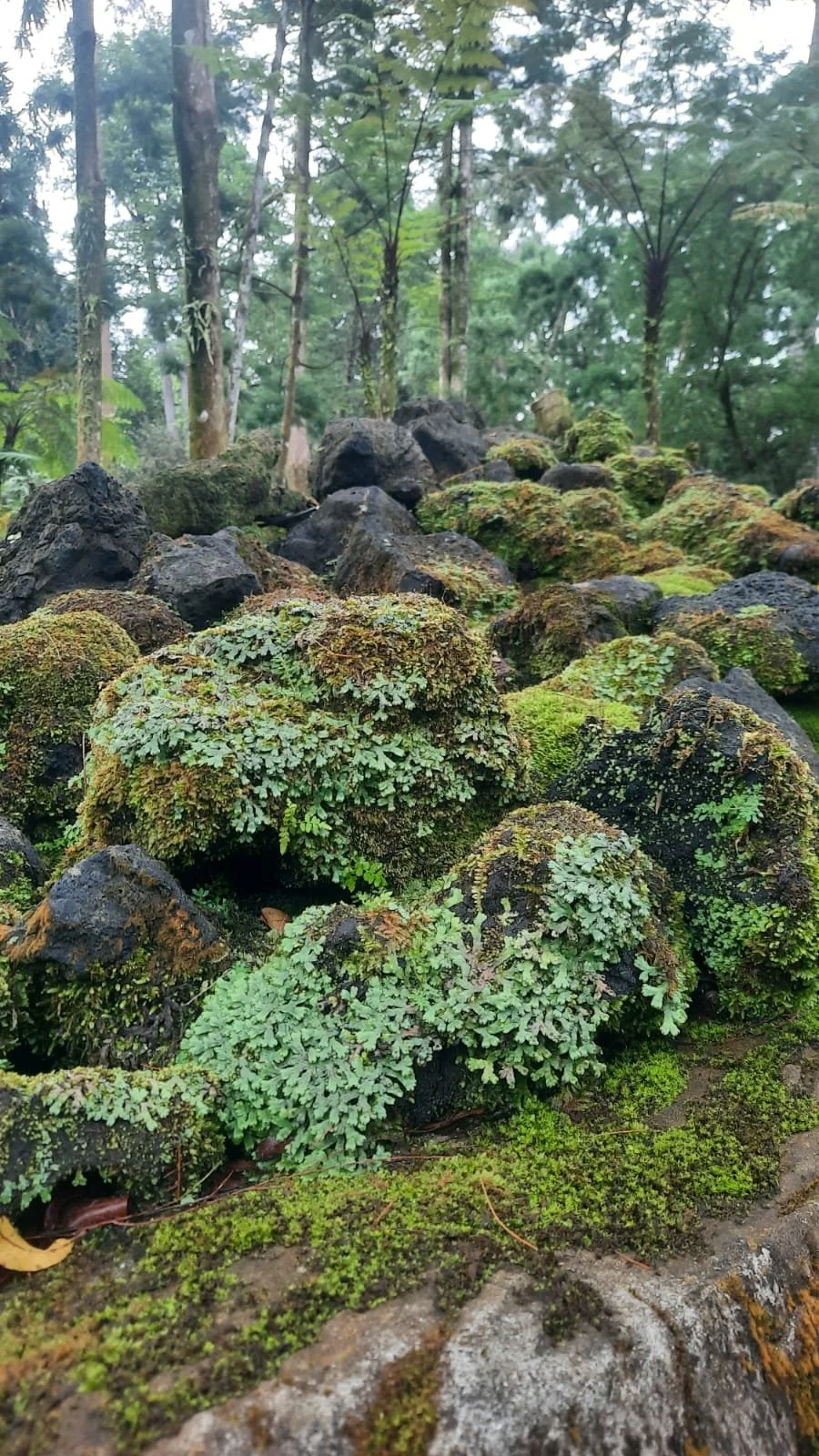
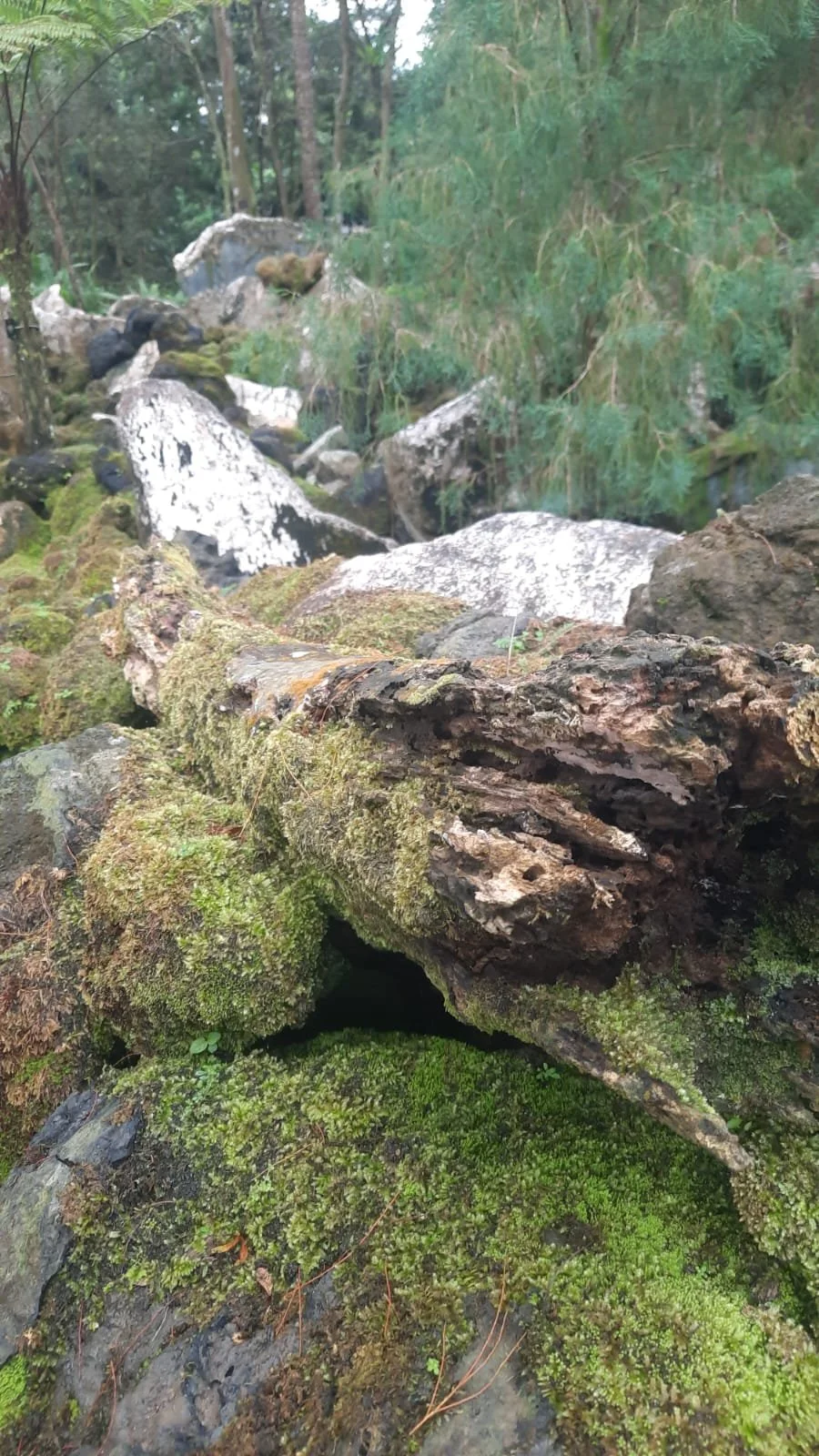
So, it means I’ve been taking walks in my neighbourhood and been on the lookout for mossy patches - it’s a moss hunt! I eventually found my way with a friend to Evolution Garden at Singapore Botanic Garden last week despite the monsoon surge (aka continuous heavy rain). We got to see a variety of moss nestled between the cracks and crevices of rocks. This part of the park was very easy to find and is less than 15 minutes from the Botanic Gardens MRT train station. In fact, we were expecting a bit of walk as the Garden is large, but we managed to get there before the skies opened up! My friend and I were very fascinated by the varieties that we found, and I was very curious as to how Singapore Botanic Gardens managed to keep so many in one location.
Moss in Literature: A Reflection of Nature's Beauty
One of the charms of moss is its diminutive size, which requires us to slow down and get down very low to truly appreciate its beauty. We found ourselves constantly bending or squatting to get a closer look at these tiny wonders. and I think we were there for at least 30 minutes as there were so many different textures and colours to admire.
As I was looking at the moss, I couldn’t help but wonder how it has captivated the imagination of generations of artists, writers, and thinkers.
One of the first people I thought of is the Tang Dynasty poet, Wang Wei (王维) who wrote the beautiful poem, ‘Deer Enclosure’ 鹿柴. I first read this piece in a Tang Dynasty poetry book that my husband had gifted to me when we were dating. It has been over 20 years since I last touched the book, and it took a trip to Singapore Botanic Gardens to unlock this memory!
The poem reads a lot better when in Chinese (Mandarin or Cantonese), but the translation is as follows:
In the empty mountain, one does not see people,
yet one hears the sound of human voice.
Reflected sunlight enters a deep forest,
and comes to shine on luscious, green moss.
Translation source: East Asia Student
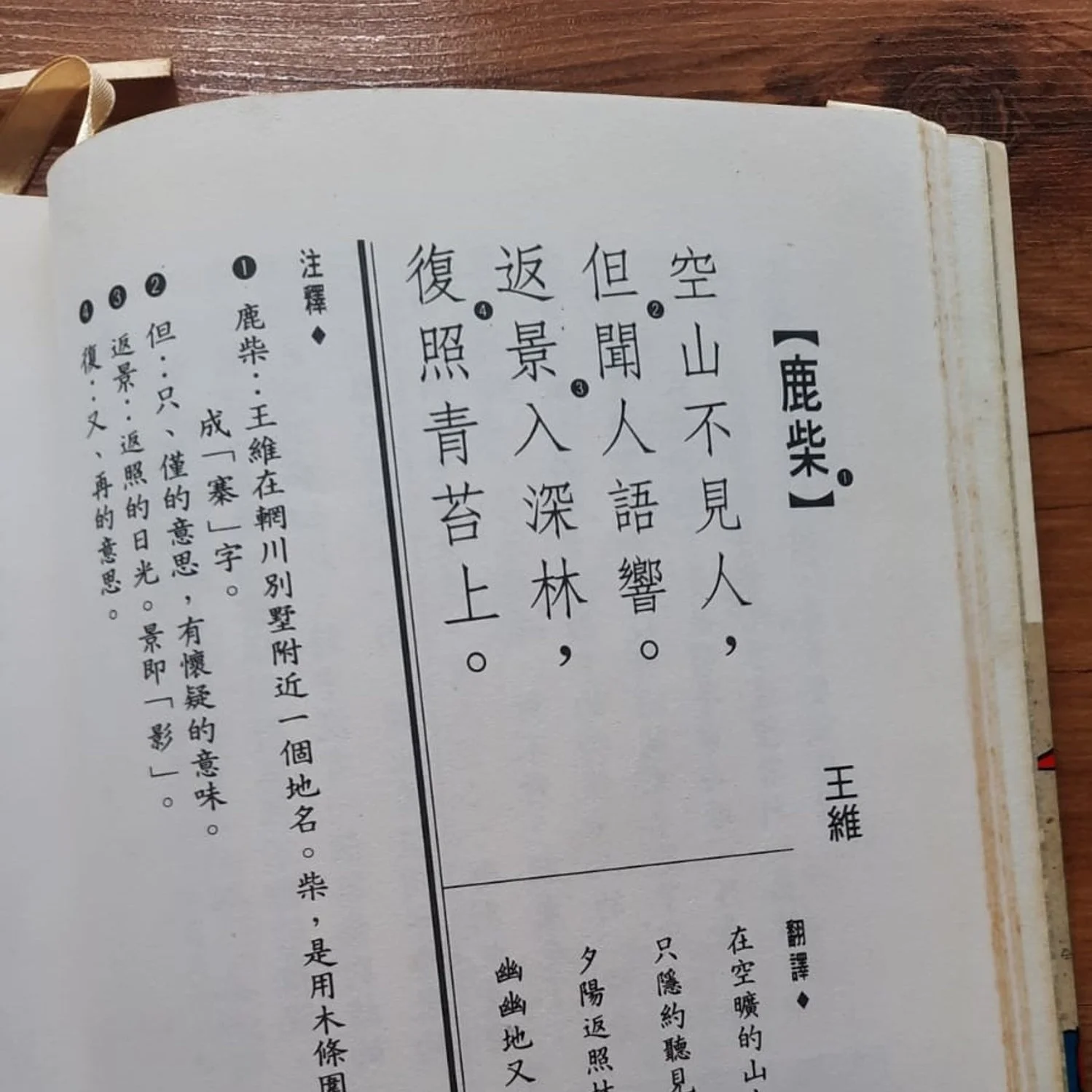

The poem is simple—4 lines—but it has a depth that is both profound and endearing.
I can imagine Wang Wei standing alone in a forest, having his quiet moment, appreciating the “emptiness”…being present, much like the illustration that is in my book. As day becomes night, he witnesses a ray of light shining through and illuminating the moss on a rock. The sunlight piercing through the darkness of the forest represents not only the passage of time but the beauty of nature—it highlights that when faced with inevitable changes and even unpredictability, there is always hope and renewal. I would like to think that the poet used the illuminated moss as a focal point and a visual reminder of the potential for growth and transformation in even the darkest or most neglected places. Perhaps Wang Wei found peace and serenity when he saw the moss, and as he immersed himself into the forest, it allowed for introspection and connection with the natural world.
This theme resonates deeply with my own artistic journey, where I explore the cycle of decay and renewal through textile art. I’m feeling very inspired to create more pieces that capture the beauty of impermanence and the promise of new beginnings, and I can’t wait to get started!!
Other references for moss in literature - British Bryological Society, Mosses in English Literature