From Nature Walk to Stitch: My Creative Process
How I Translate Nature Into Textile Art
As a textile artist, I’m often asked about my creative process:
How do I go from my nature walks to stitch?
What is your thought process?
How do you come up with the inspiration?
I am usually on the hunt for new textures and inspiration during my walks, and these are the times I have lightbulb moments. However, sometimes I take walks with no expectations and witness beautiful things. For example, I was walking from the train station to Fort Canning just last month, and a gust of wind wound its way through the street, picking up and twirling a cluster of brown leaves in the air. It was an amazing scene, and this quiet moment reminded me of murmuration. What I saw definitely went into my journal and sketchbook!
Over time, I’ve noticed a pattern in my process, each stage helping my ideas slowly take shape:
observation → reflection → word association → sketching → stitching
I don’t think this pathway is unique, and I believe many follow something similar.
When Taking Walks, Slow Down, Observe, Record
When you walk, look up and look down (not at your phone)
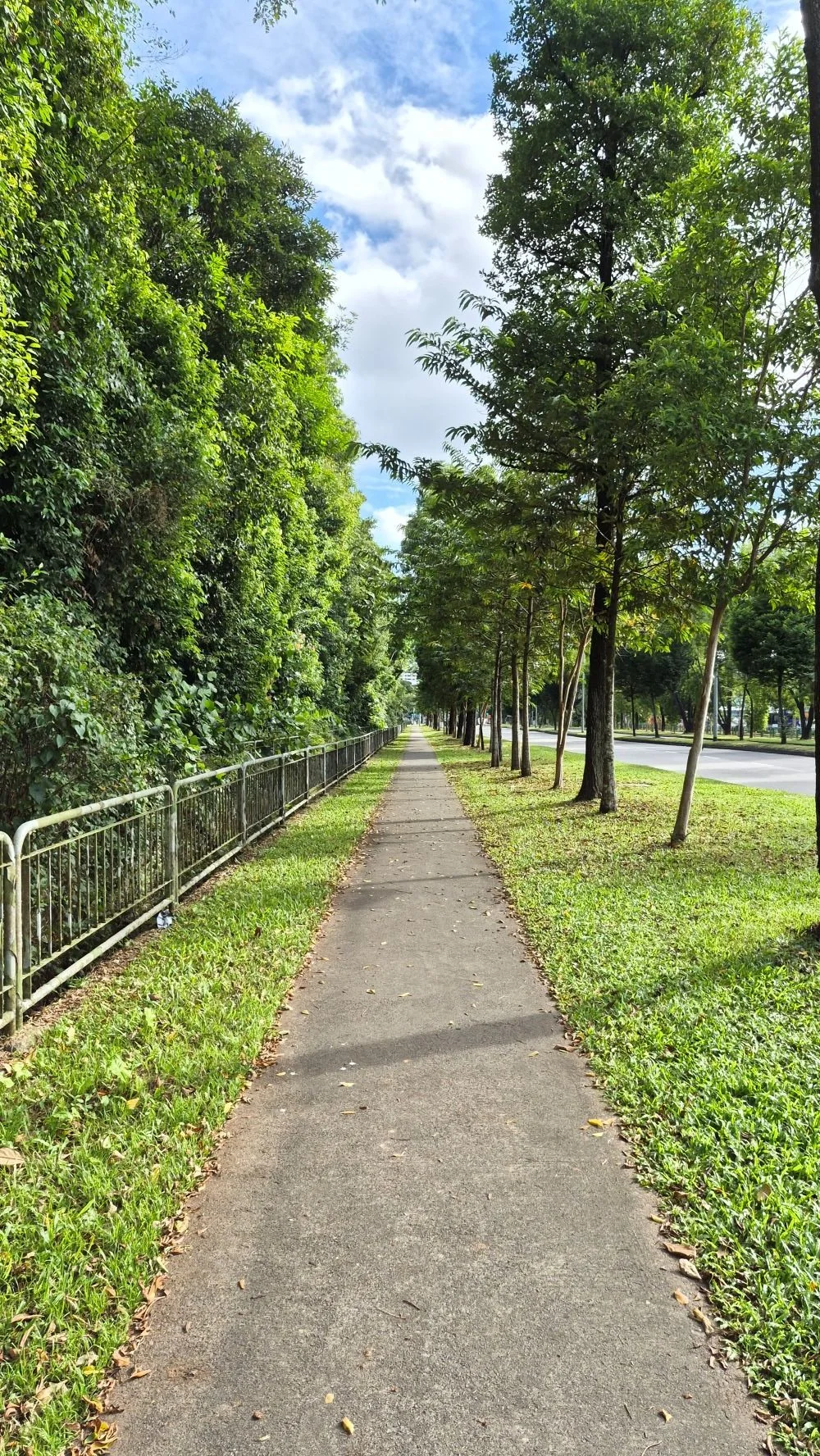
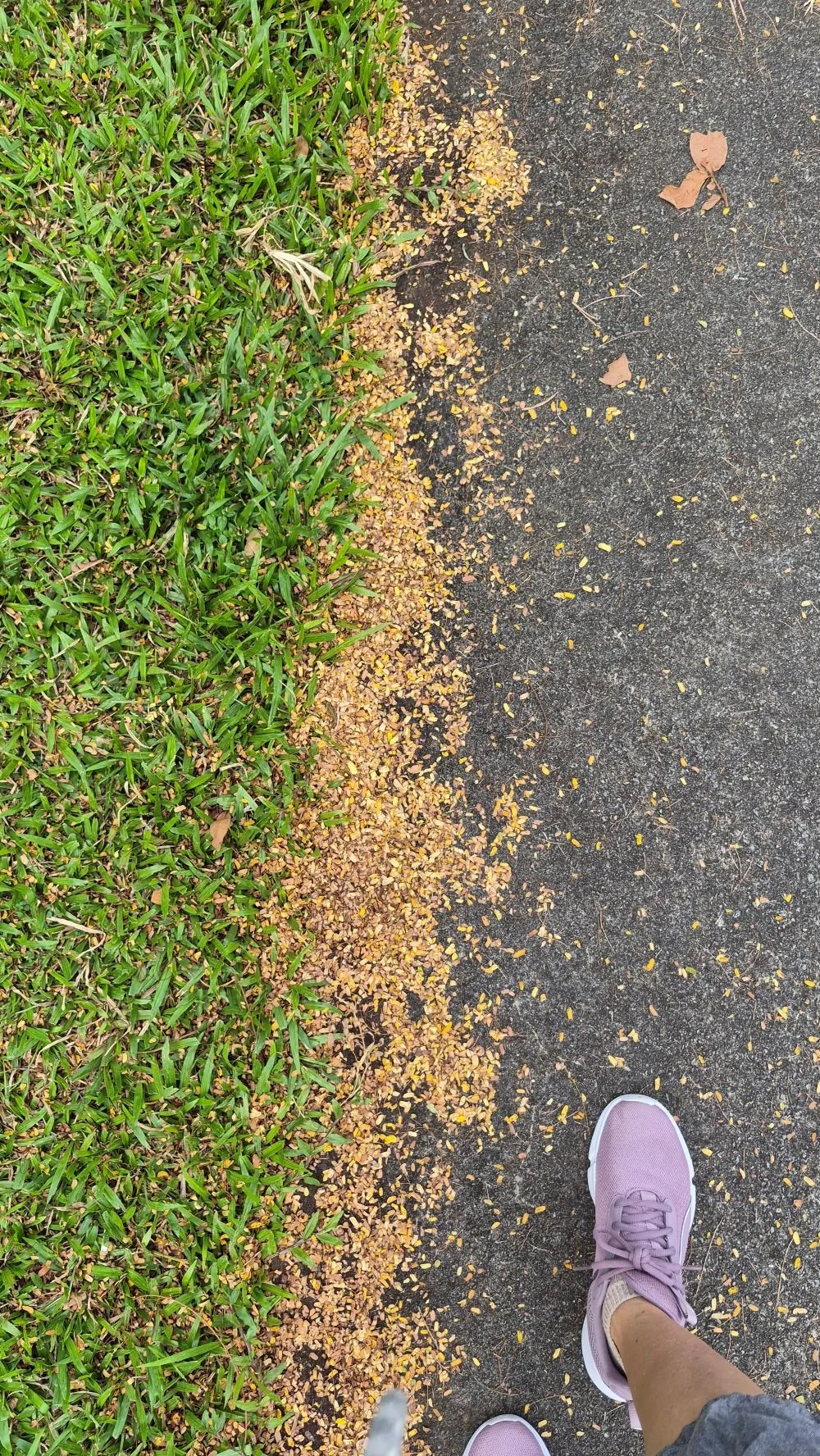
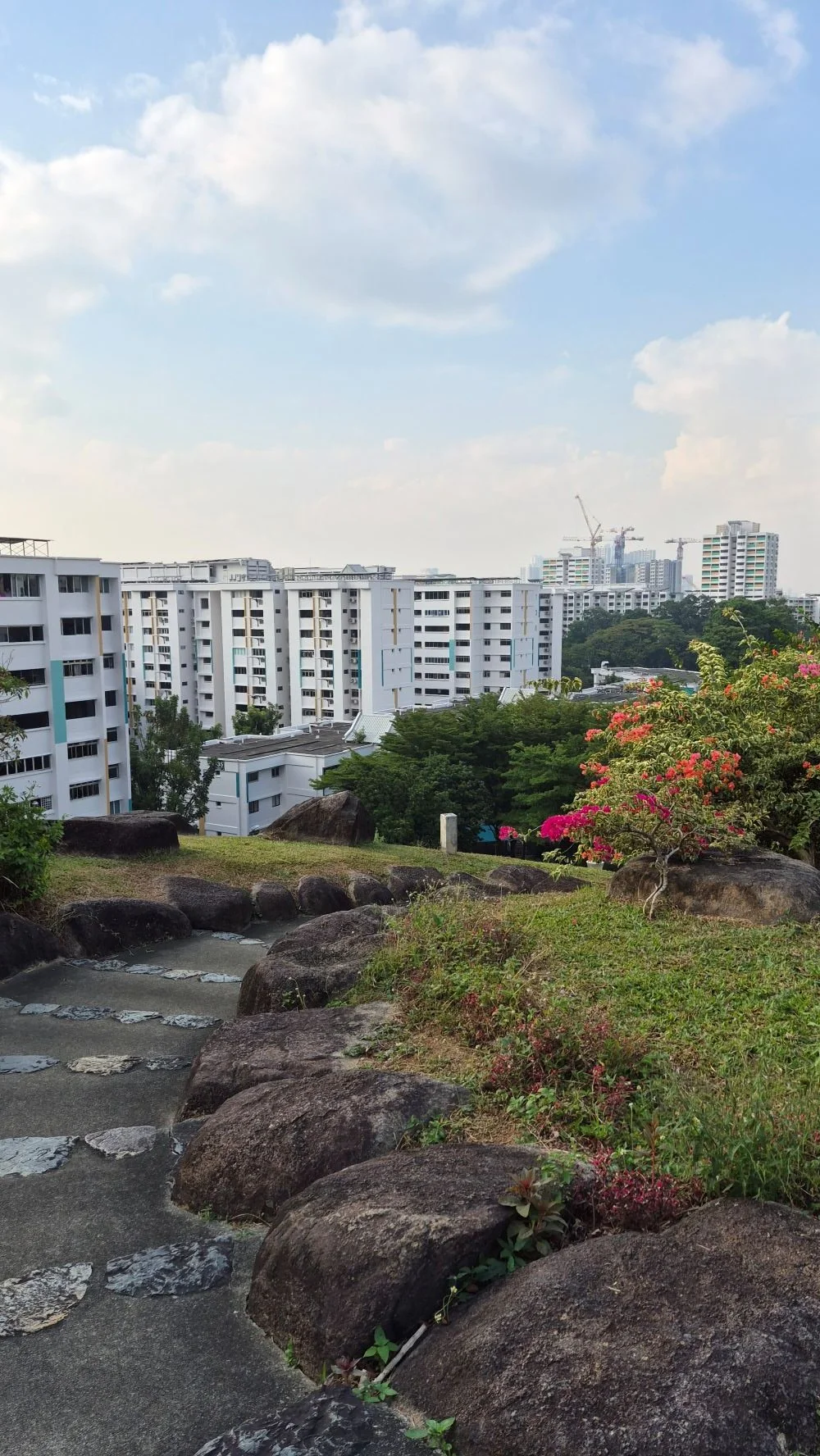
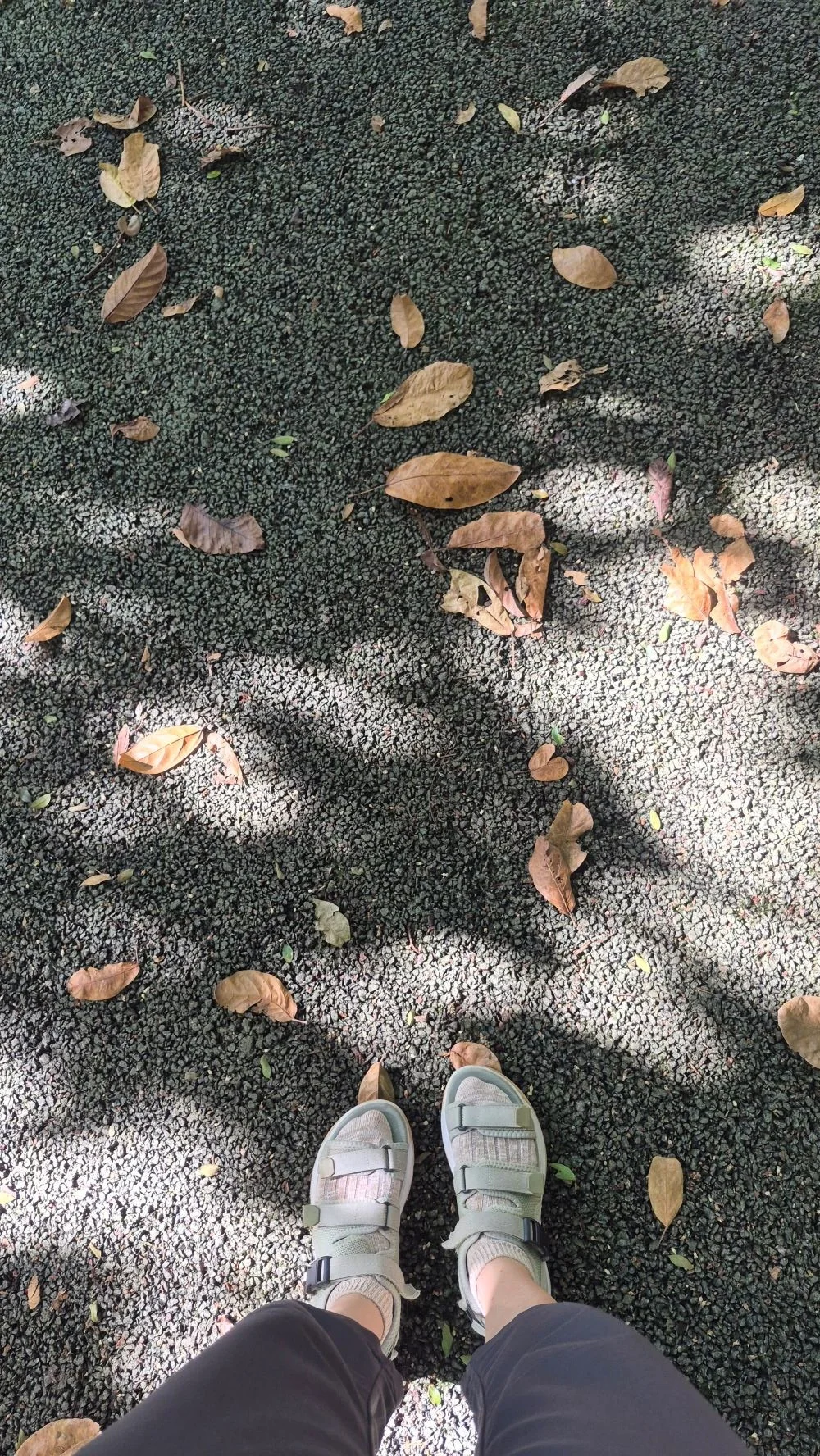
I can’t stress this enough! See what you spot in all the nooks and crannies of your walk. You might find some hidden gems. And don’t forget to pause during your walks to do a quick sketch, take pictures and videos. Due to the extreme heat here in Singapore, I only take pictures and videos which I then take back to my home studio for documentation.
Here are a few questions to ask yourself along the way:
How do you feel in this moment?
What interesting shapes and textures do you see? Describe and record them.
Was there anything you spotted this time that you didn’t see on your last walk?
What sparks curiosity and makes you want to learn more?
What are the questions that go through your head as you observe?
During this time, think of yourself as a sponge and absorb everything without judgment. It may take several walks before ideas begin to form. To keep things fresh:
Take an alternative route to or visit a completely different location.
Take another artist, or a friend, with you on the walk! Another pair of eyes may spot completely different things.
Observe how things change over the months or seasons. If something caught your eye during the first walk (e.g. mushrooms on a tree stump), note down how this evolves.
When I observe these things and ask these questions, I am not searching for an image to copy. Instead, I am paying attention to qualities.
Slowing down allows these subtle details to surface.
Taking Observations to Brainstorming
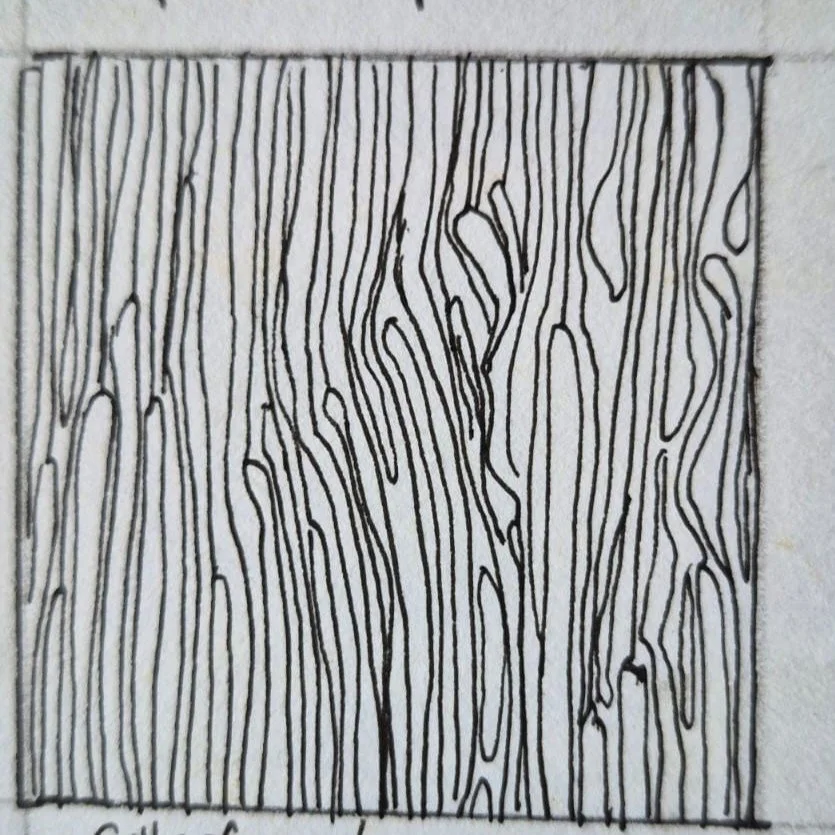
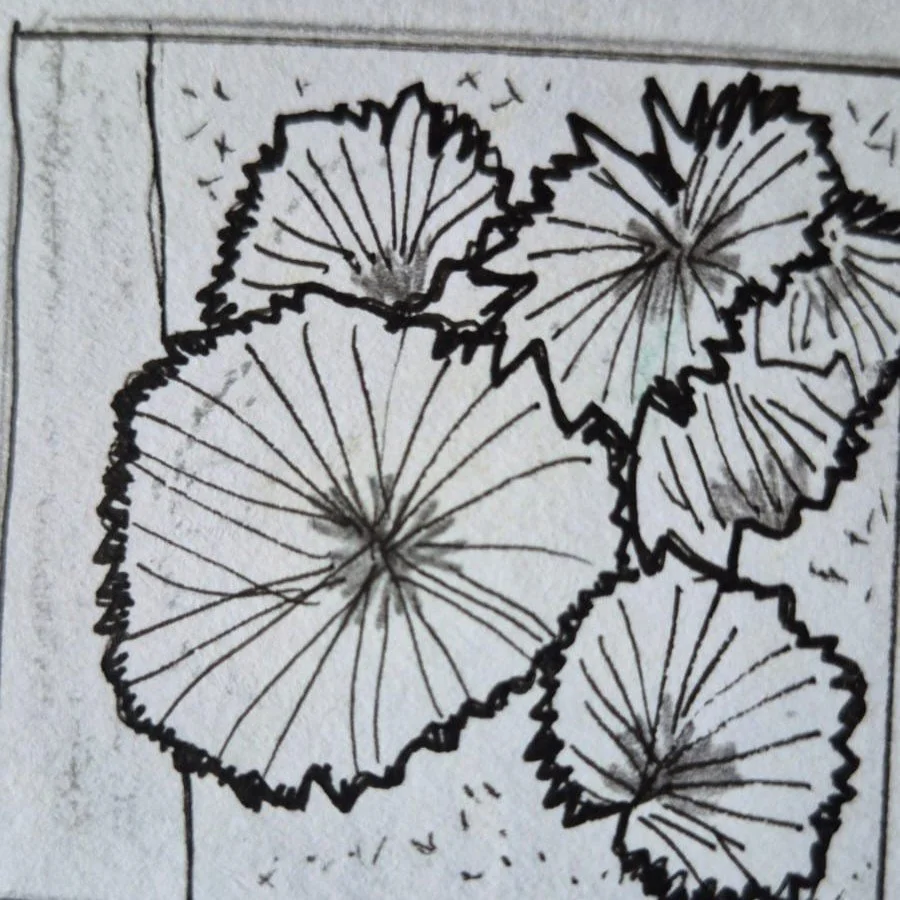
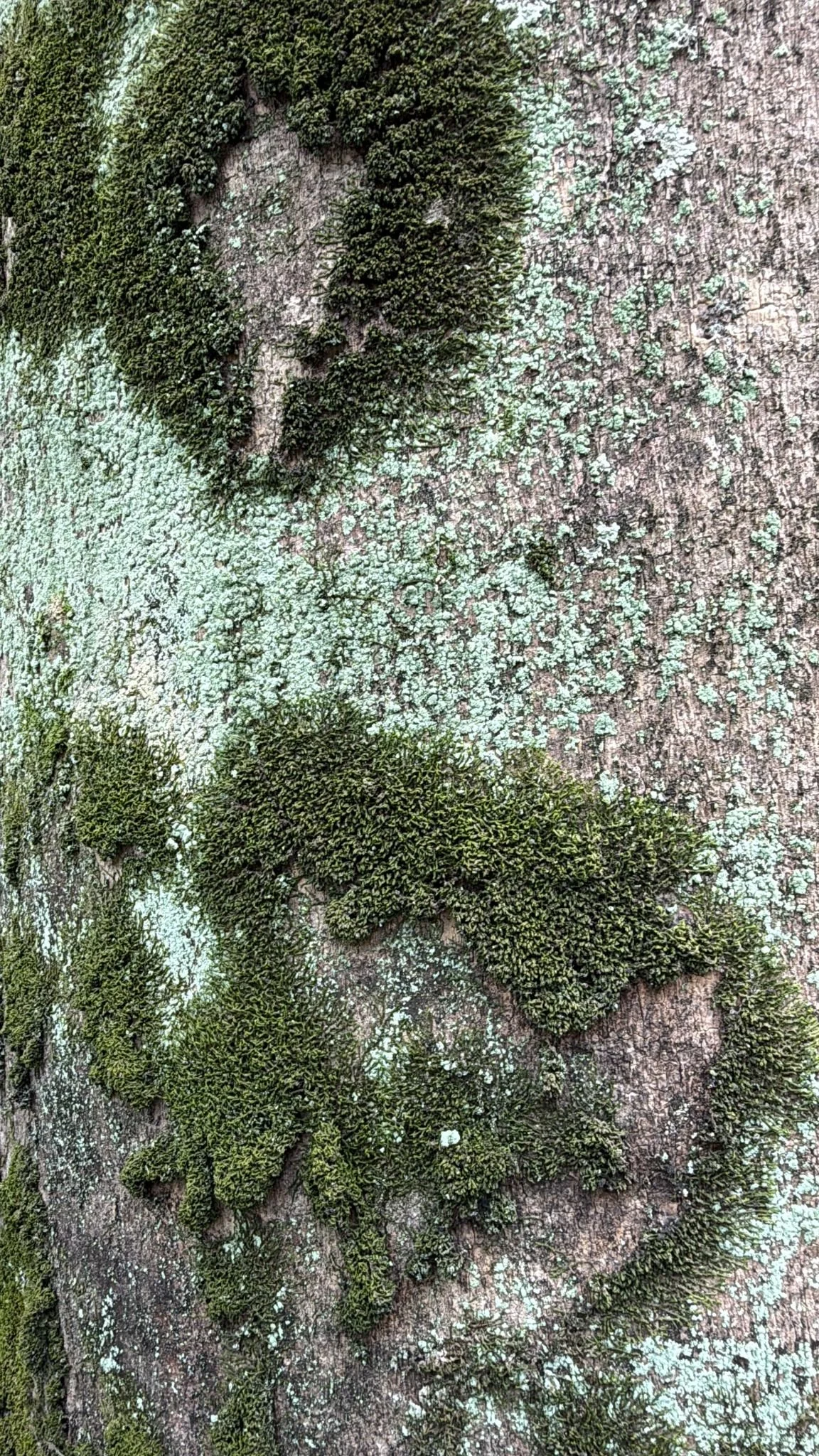
Once I’m back in the studio, I document everything: my sketches, videos and even sounds that I have recorded.
And before I even start sketching, I write.
I extract keywords from the documentation and start my brainstorming. Perhaps, mushrooms or concrete or chirpping birds may have featured frequently so I jot this down.
Word Association: Research & Creating Links
By this stage, I have a list of words from my walking notes. I circle the ones that stand out, then research and explore connections between them. This process can unfold over days; sometimes stepping away helps fresh insights form. Word association shifts my focus from appearances to qualities and relationships.
For example:
Moss → organic → irregular → resilient → layering → pioneer → renewal
From here, I decide which word (or words) resonates with me. At this stage, it is still exploratory, and it is more about the feeling of what I have seen.
Sketching - Translating into Lines
I only start sketching once I have chosen the word(s). At this stage, the sketches are quick thumbnail sketches; they are not supposed to be finished images. Instead, they are investigations and help me translate ideas into visual language before thread enters the picture.
By the end of this stage, a few sketches will naturally stand out as the foundation for my textile work.
Sampling
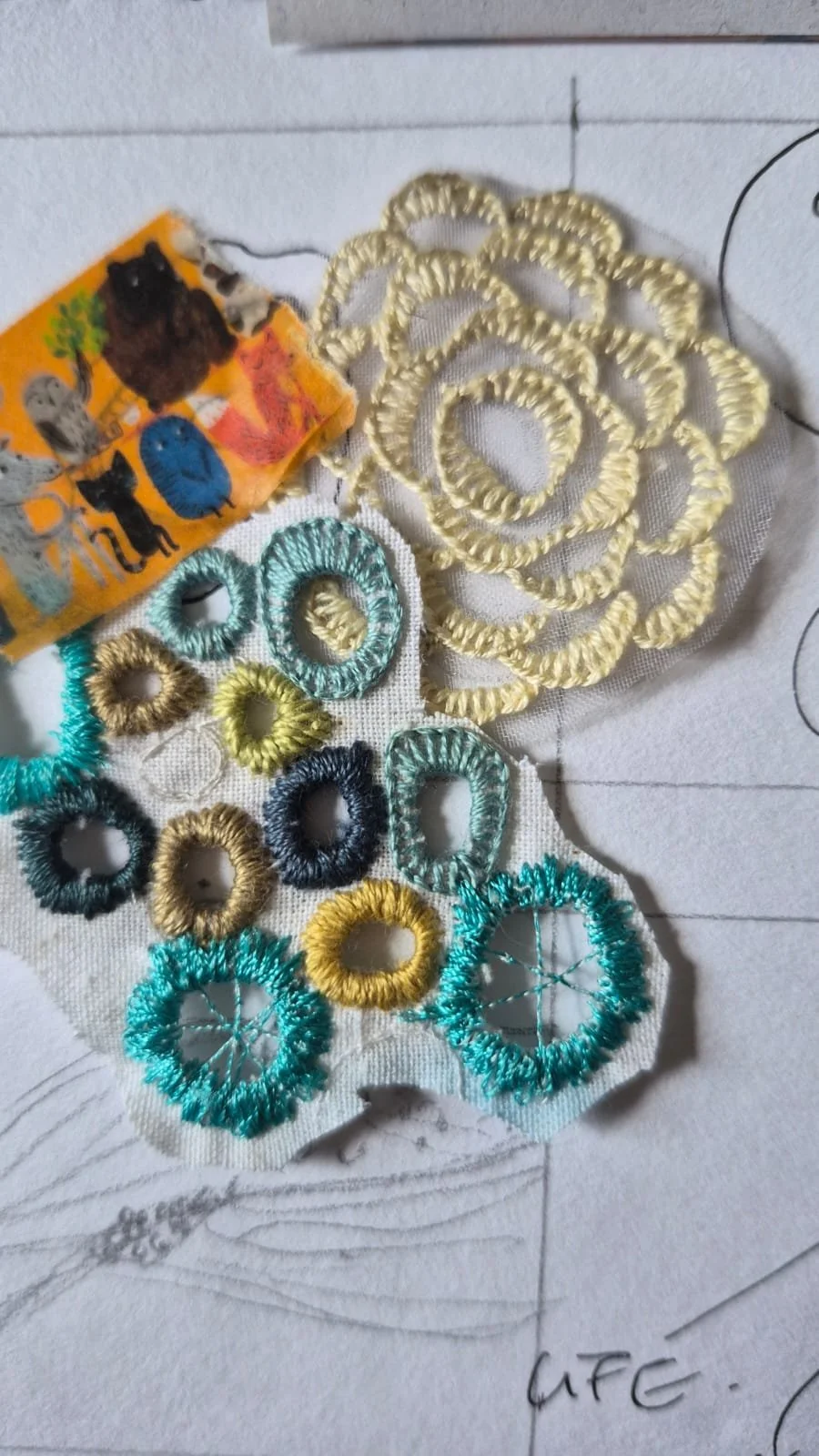
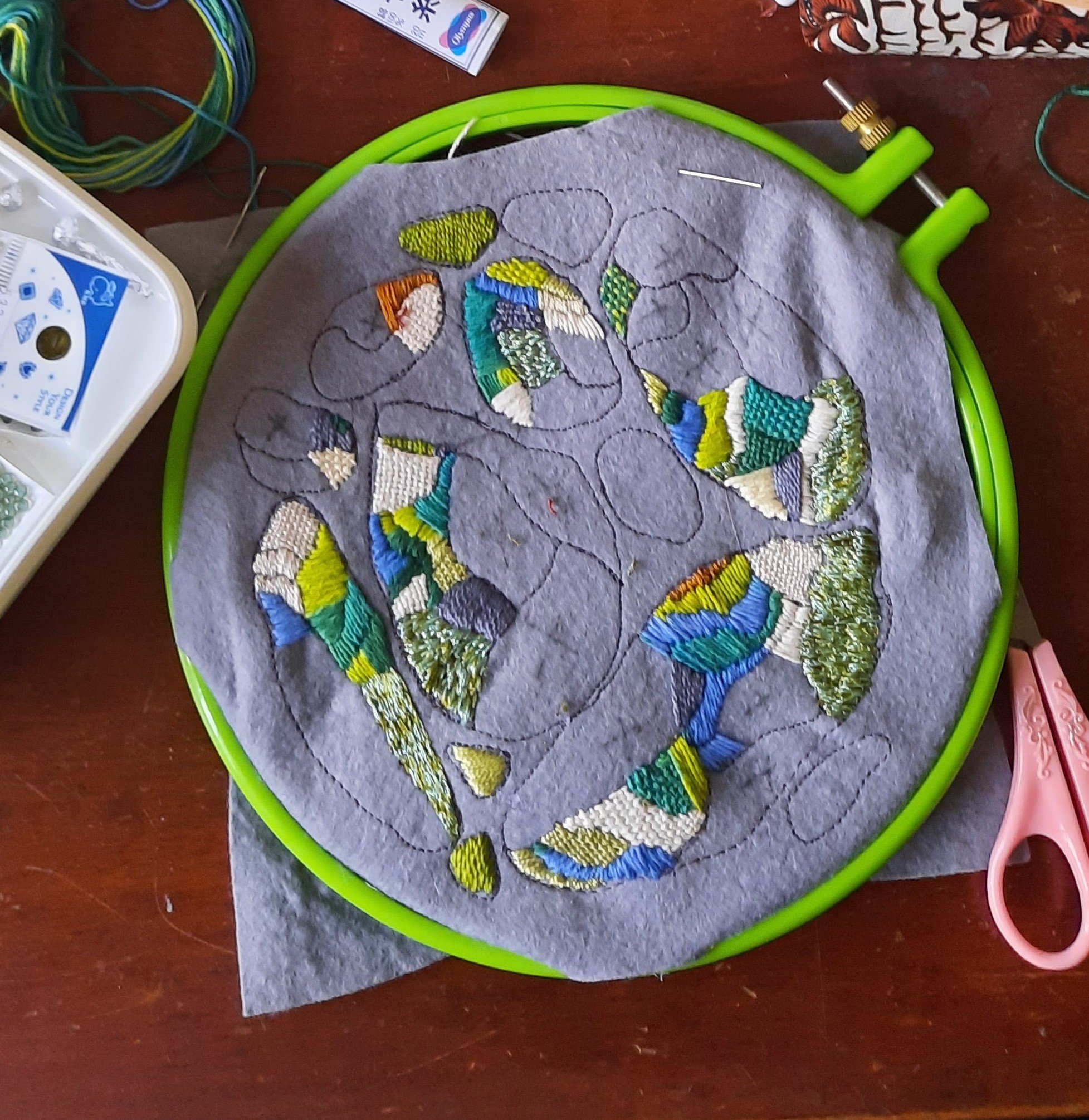
The next step is sampling and asking the questions such as, what type of stitch and thread, and even colours should I use.
Sampling is an essential part of my artistic process, and it is that part I enjoy immensely. It’s also where my visual stitch dictionary comes in handy as past explorations allow me to quickly identify the possibilities without starting from scratch. Here, I will be asking questions like:
What type of stitch conveys this idea best?
Which thread or colour palette feels right?
Should I stay with free-motion embroidery, or experiment with other stitch techniques or even mixed media?
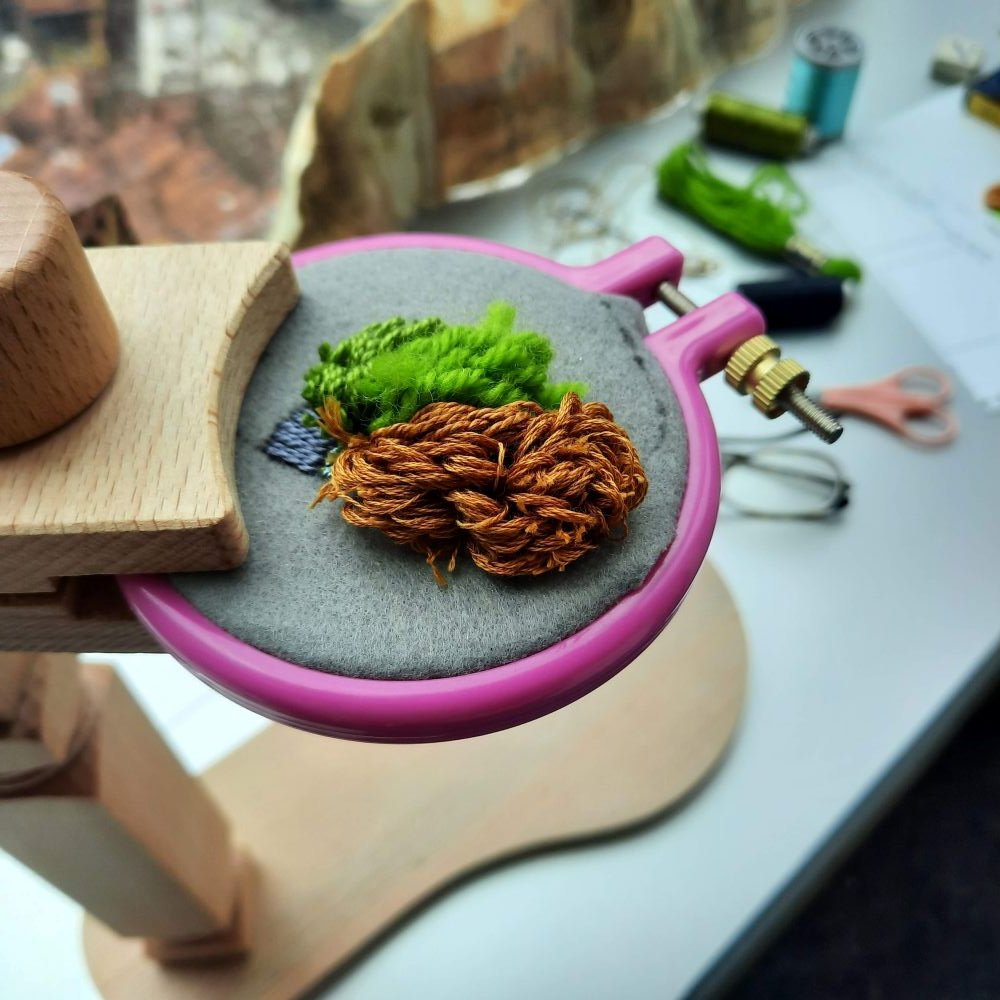
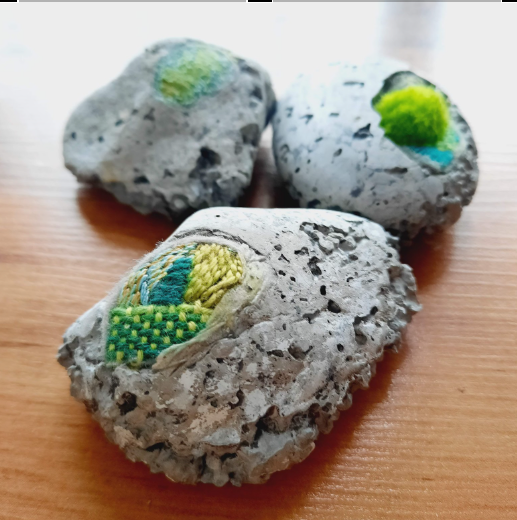
I used this approach when exploring my coral-inspired work and my moss series. Both began as quiet observations during a walk, then grew through this same chain of curiosity, reflection, and making.
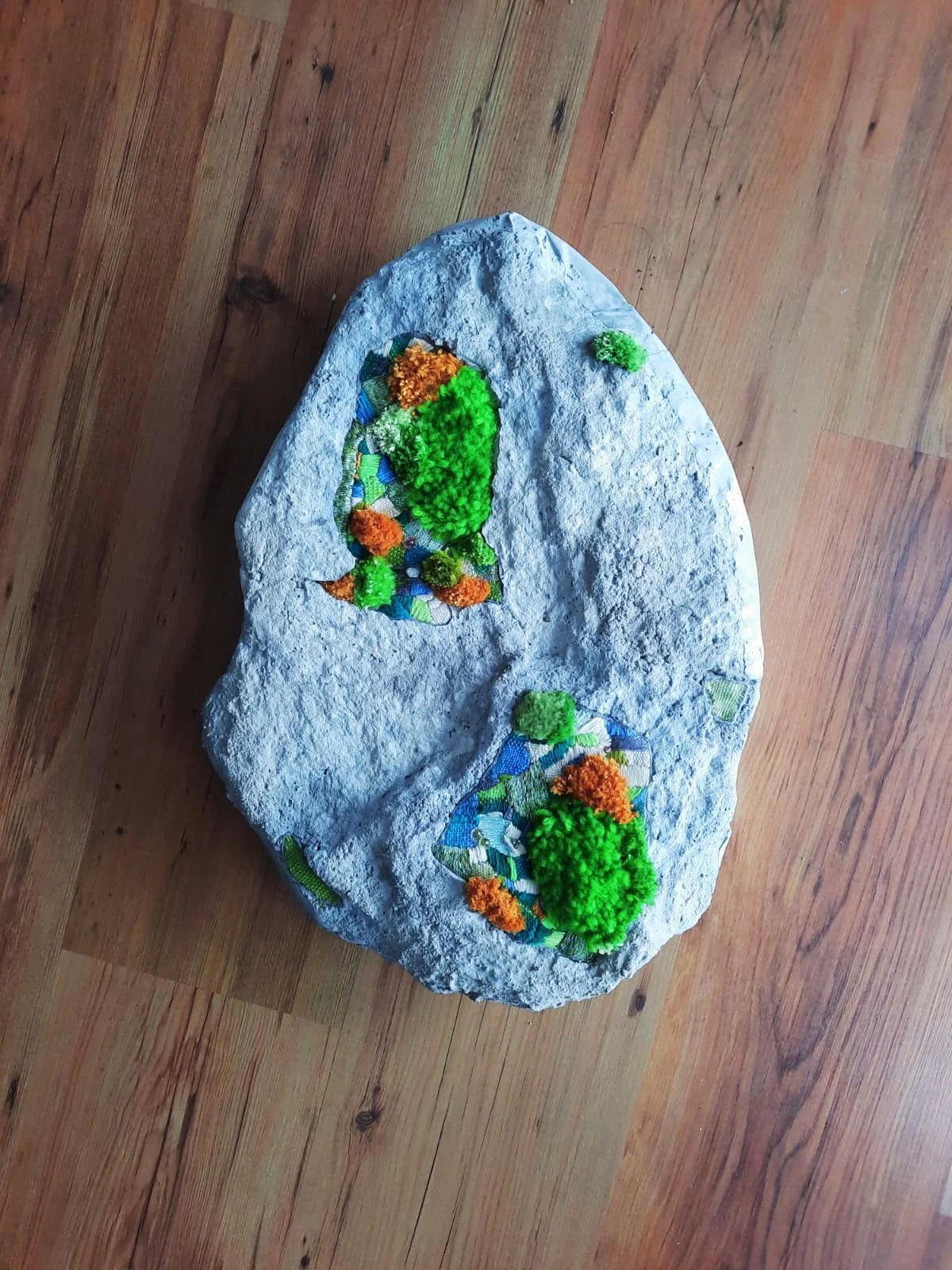
Stitching Mindfulness Into Art
Every artwork begins with slowing down and paying attention. For me, nature walks aren’t just about collecting visual references; they are about connecting, and noticing textures, movements, and rhythms in the environment. I observe patterns, record sensory details, and reflect on how they make me feel. All of this eventually shapes the stitches, colours, and textures that appear in my textile pieces.
In each stage, from observation and journaling to sketching and sampling, there is curiosity, reflection, and making. It’s a loop that keeps evolving, much like nature itself.