
Retreat is Not Escape
I’ve been drawn to artist retreats, spaces where creative focus feels unbroken. When I couldn’t find one, I realised I could create my own retreat right here, amidst the everyday landscapes I walk through.
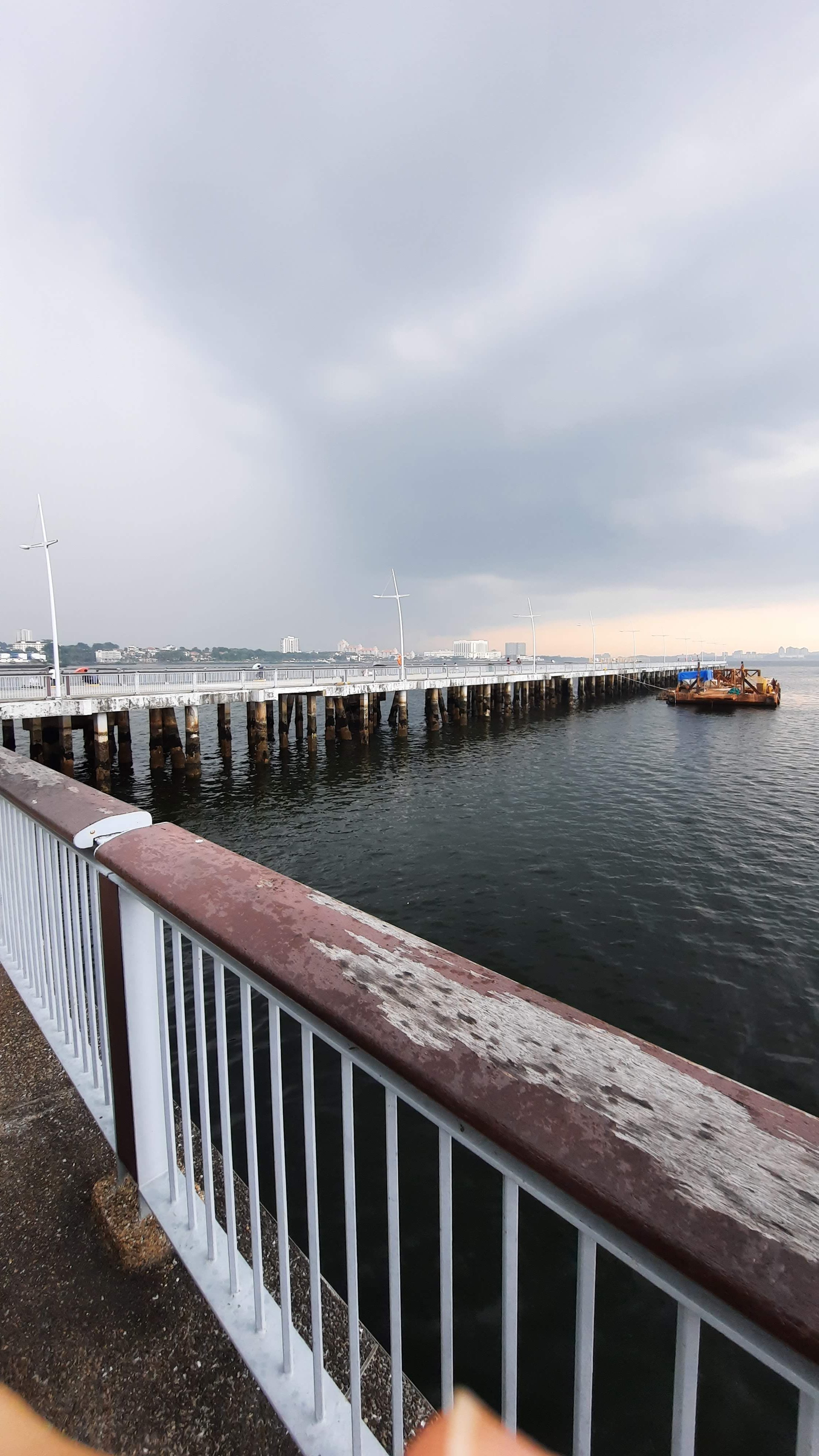
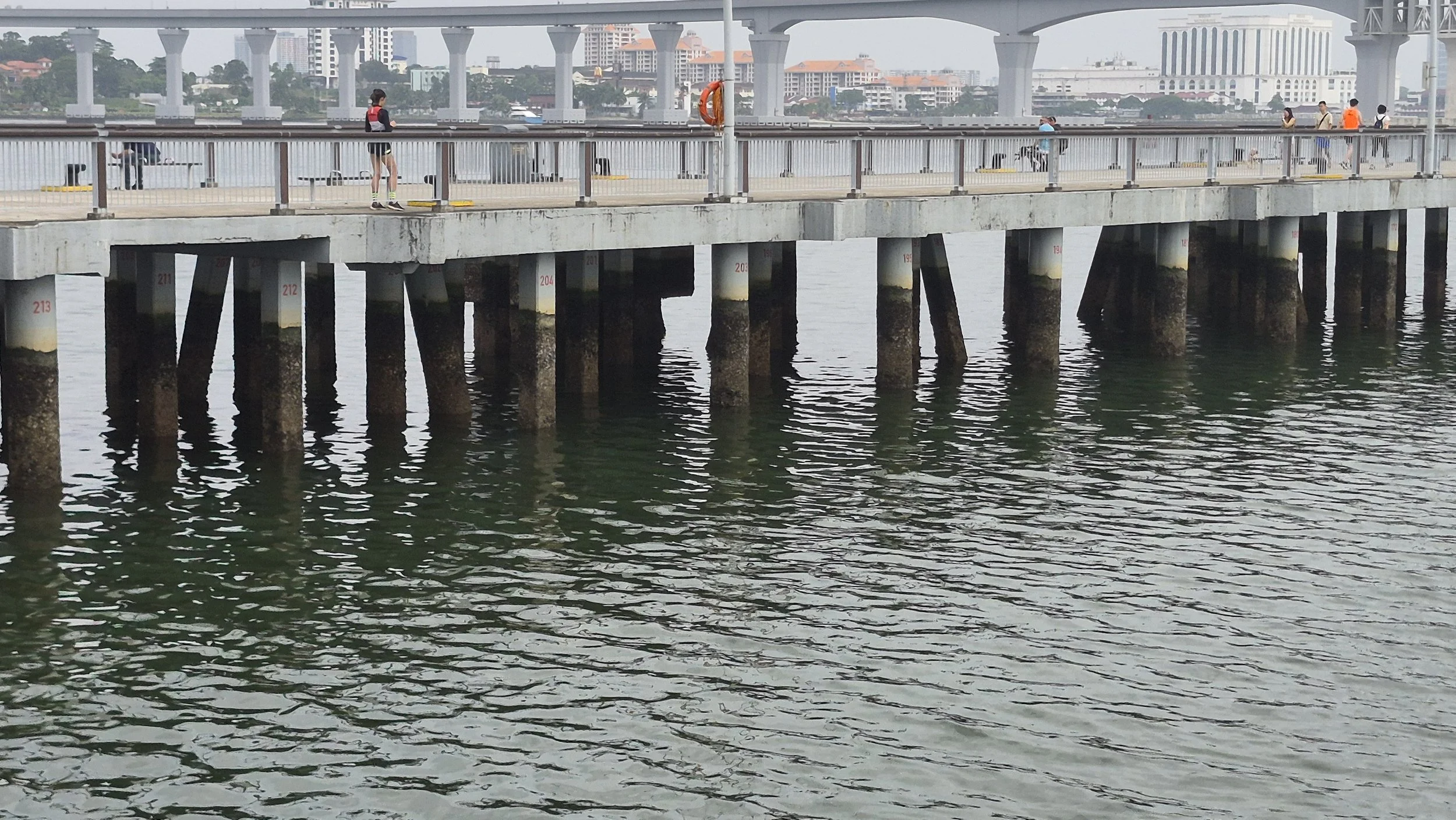
Over the past few years, I’ve been walking regularly to Admiralty Park and then further on to the most northern part of Singapore, Woodlands Waterfront. All in all, it takes me 2 hours. What began as a way to get my daily steps soon became something more. The park has become a sanctuary, a space to slow down, to observe, to listen.
Nature, Urban Development, and Changing Landscapes
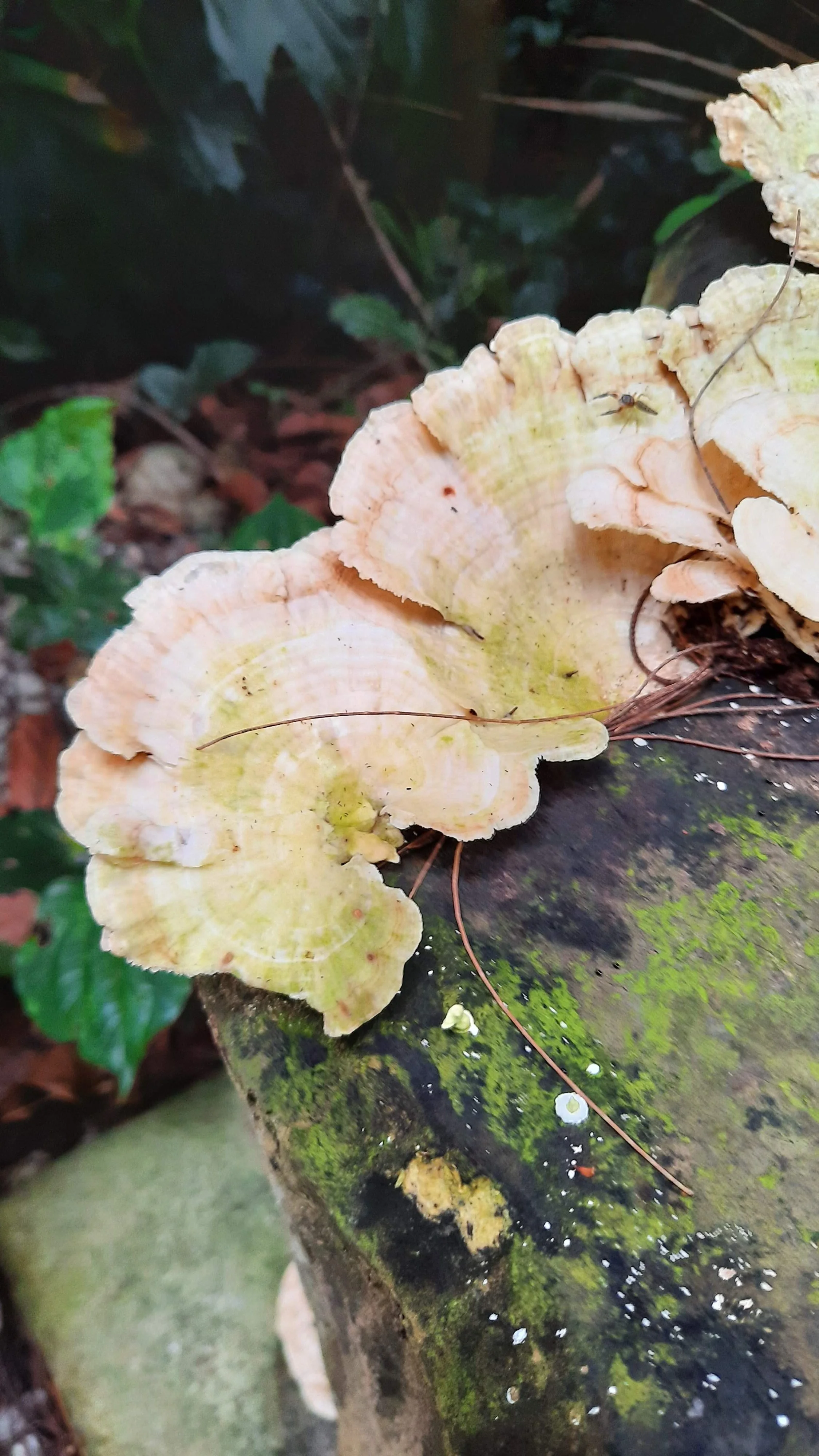
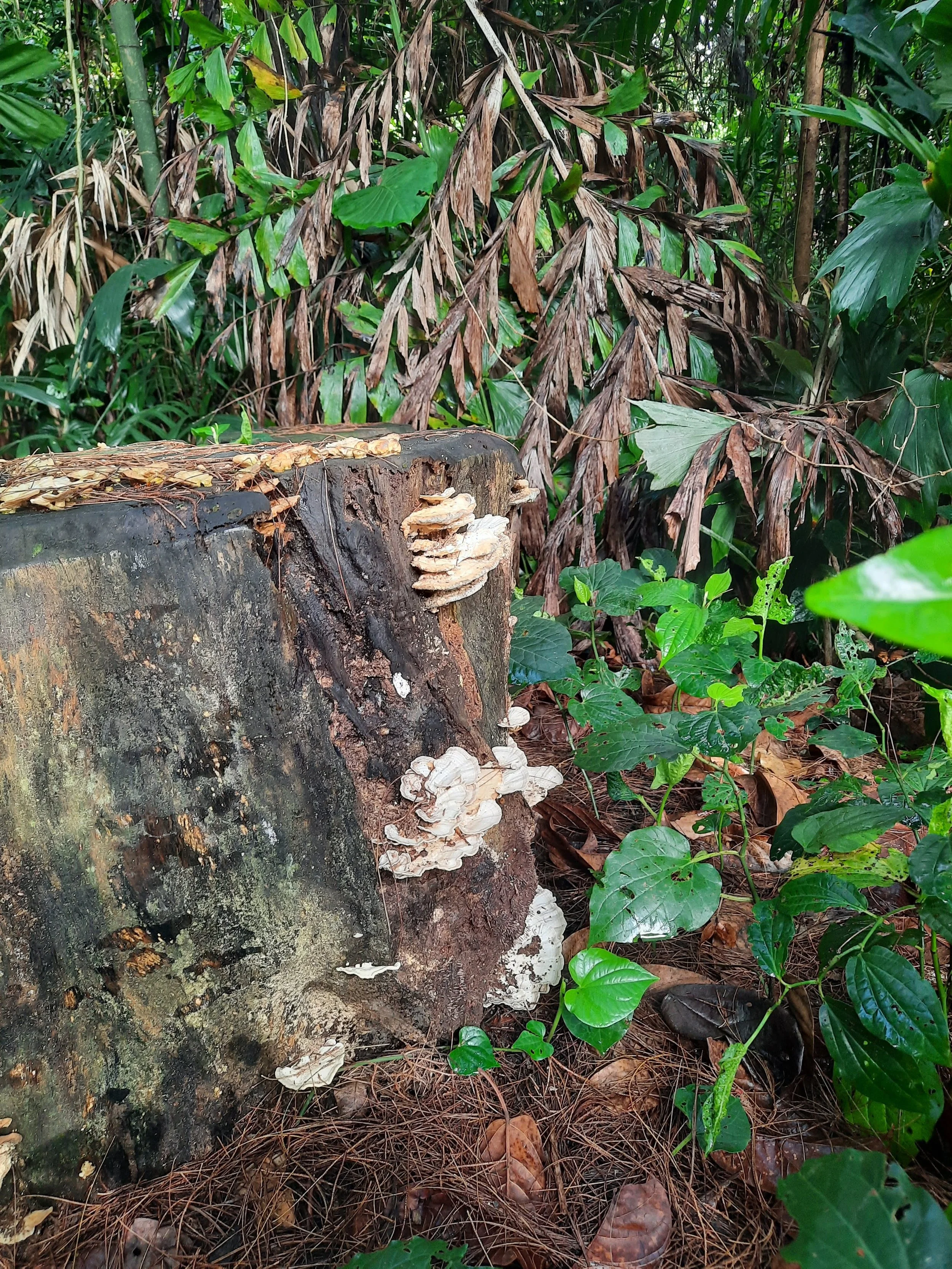
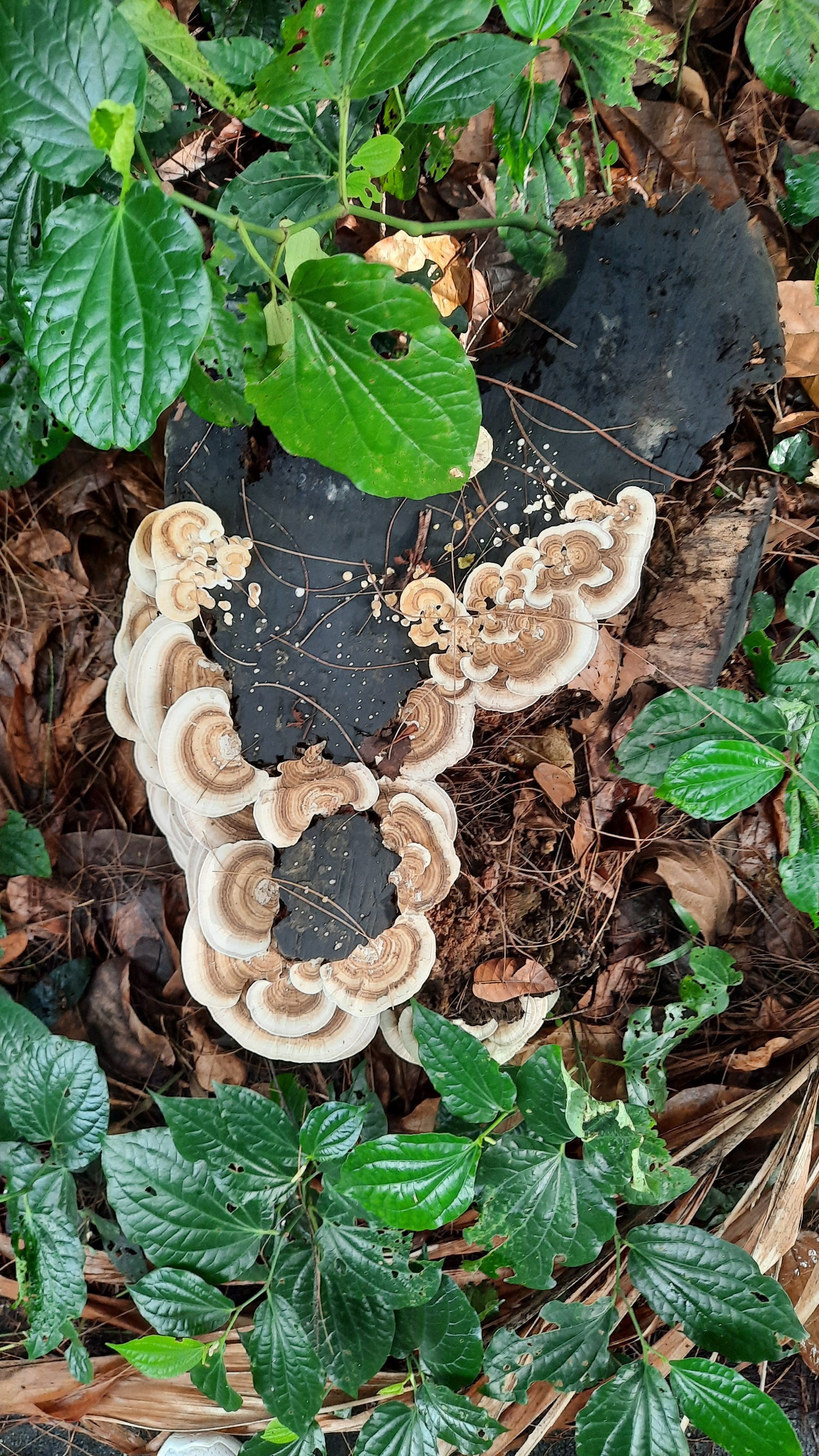
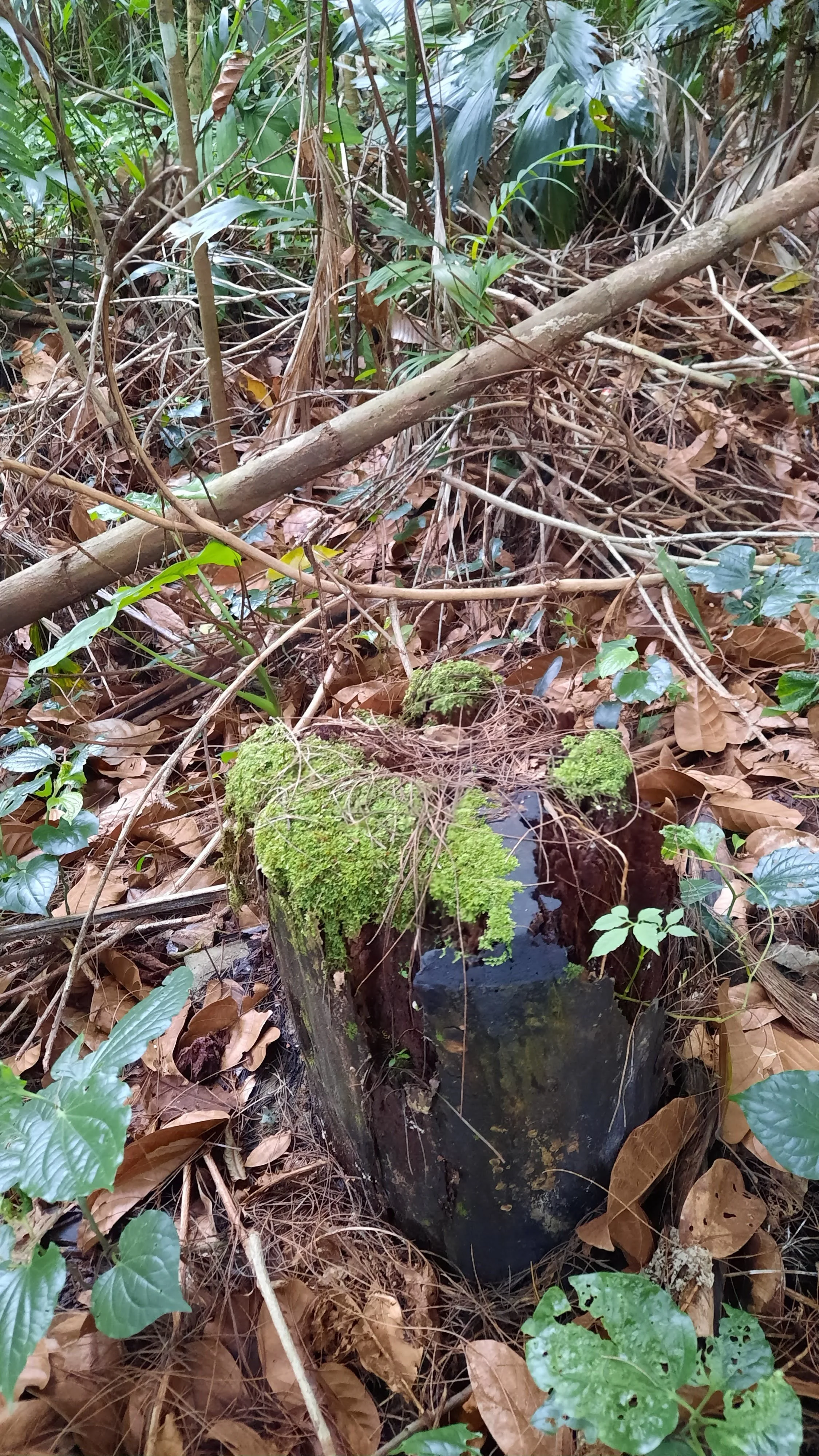
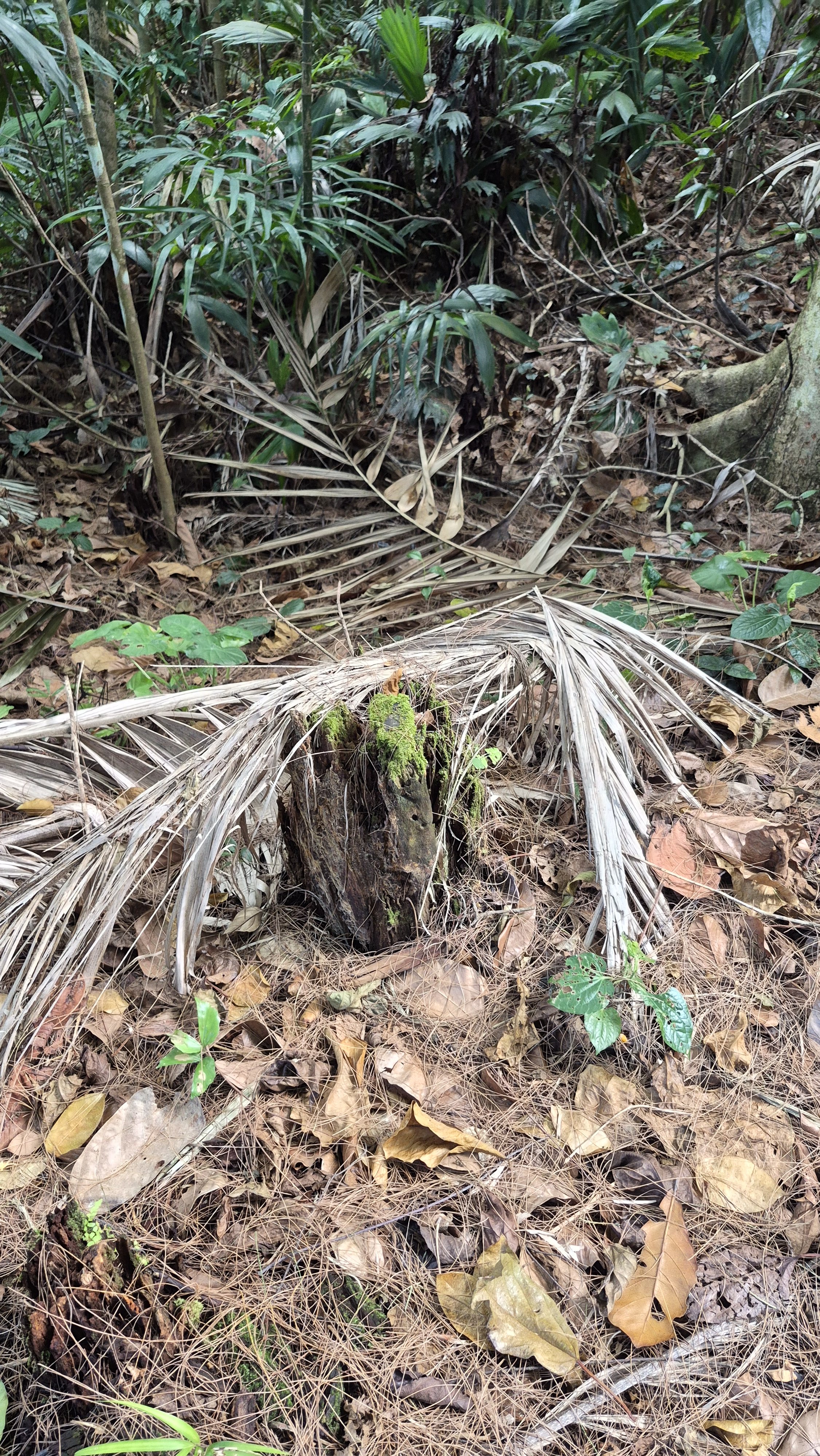
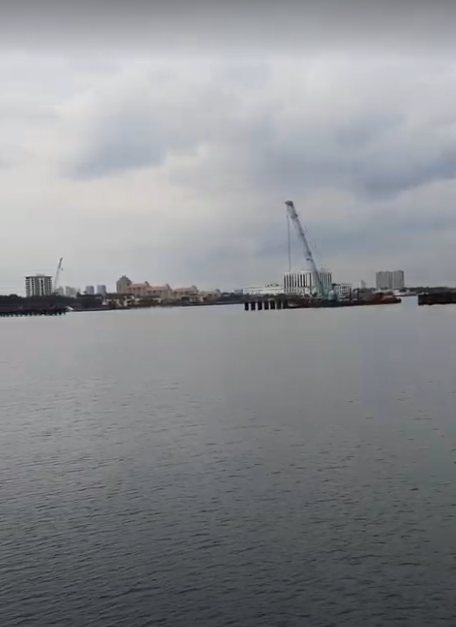
I’ve been making visual recordings and capturing how Admiralty Park is evolving right before me. There are the natural cycles of growth and decay, but there has also been urban development. Areas of the park that once felt hidden are now opened up. Paths have been widened. And certain areas have been cleared to make way for the new public housing and a new rail line to Malaysia. Yet, nature’s rhythm continues: moss thickens over bark, fallen branches return to soil, a caterpillar traces a slow path across a leaf.
The slowing down that happens in the park is not accidental; it changes how I see. When I slow down, I notice texture. Layers. Subtle shifts in colour. Signs of decay that are also signs of renewal. That way of seeing follows me back into the studio.
My stitches become slower. More deliberate. Less concerned with perfection.
What I share is no longer just a finished piece, but the experience of that pace—the comfort of paying attention. Watching this landscape change over the years has reshaped how I think about renewal. Decay is not always loss. Renewal can appear in both quiet and dramatic ways, as development and nature continually negotiate space.
From Tiny Experiments to Observational Practice
At the start of the year, after reading Tiny Experiments, I began taking a more exploratory approach to my art. Instead of working toward a fixed outcome, I’m allowing myself to experiment, to observe, and to treat making not as production, but as inquiry.
This shift brought me back to both nature and stitch. I no longer want to create textile pieces that are decorative for their own sake. I want to make work that resonates: art that carries the scent of rain‑soaked earth, the stillness of a familiar park, the tender ache of a changing landscape.
Decay and Renewal in Textile Art
As I sit in my home studio, I find myself asking:
What does erosion look like in stitch? Is it frayed edges? Uneven tension? Intentional gaps?
What does renewal look like? Is it layering? Darning? Repetition that builds density over time?
In my earlier work, I explored moss and concrete as material metaphors where softness reclaims hardness and growth covers what feels heavy. I am now pushing that boundary. Given that nature has its own rhythmic cycle of decay and renewal, how does it serve to heal us when we are there?
This is no longer just about surface embellishment. It is about translating a place into material language.
Stitch as Retreat Practice
For me, stitch, whether by hand or on the sewing machine, has always been a form of slowing down. Over the years, I have understood more clearly why it feels comforting:
Repetition builds rhythm.
Rhythm nurtures steadiness.
Steadiness creates your safe space.
In a city that values speed and efficiency, choosing slowness is intentional. Stitch becomes a way of witnessing the change, whether it’s the transformation of a familiar park or the quiet shifts in my own artistic direction.
Retreat is not withdrawal; it is choosing to see, to notice what is already here.
Building Retreat Within Singapore
I once thought retreat meant going somewhere untouched, somewhere remote. But perhaps the real work is learning to build retreat where we are be it in a park, or in the studio. Through stitch, I don’t escape Singapore’s constant transformation; I engage with it. In stitching erosion, growth, and renewal, I translate attention into form.
Retreat is not escape.
It is attention made visible.